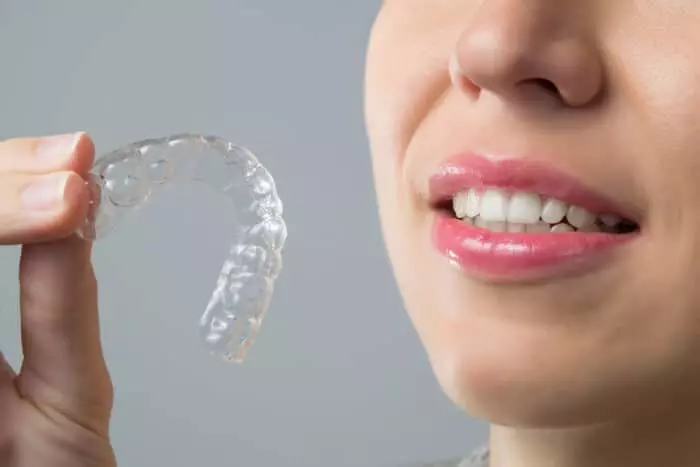
A recent study published in the journal of Clinical and Experimental Dental Research revealed that clear aligners are associated with better oral microbiological balance and periodontal health compared to fixed appliances (FA). This advantage is likely due to easier oral hygiene maintenance and reduced plaque accumulation. Patients using clear aligners show consistently lower levels of Streptococcus mutans.Oral malocclusion, affects a significant portion of the global population. Beyond cosmetic concerns, it can impair chewing, speech, and overall oral hygiene. Orthodontic treatment has long relied on fixed appliances such as braces, but clear aligners have emerged as a modern solution, prized for their discreet appearance and removability.This study analyzed data from major scientific databases, including PubMed, Medline, Cochrane Library, Embase, and Scopus, to better understand how these treatments influence the oral microbiome. Their search focused on bacterial and microbiological changes associated with clear aligner therapy. Out of numerous studies, 12 met the strict inclusion criteria. Together, they provided valuable insights into how orthodontic devices influence oral bacteria over time. Study found that clear aligners can cause rapid changes in the oral microbiome. Within just 24 hours of use, measurable shifts in bacterial diversity were observed.Over longer periods (from one month to a year), patients using clear aligners consistently showed better oral health indicators when compared to those with fixed braces. These included lower plaque levels, reduced gum inflammation, and shallower periodontal pockets which associated with healthier gums.These improvements largely attribute to the removable nature of aligners. Unlike fixed braces, which can trap food and make brushing and flossing more difficult, clear aligners can be taken out during meals and oral hygiene routines. This allows users to maintain a cleaner oral environment, reducing the buildup of harmful bacteria.Another important finding involved reduced levels of Streptococcus mutans, which is strongly linked to tooth decay. Patients undergoing aligner therapy consistently exhibited lower concentrations of this microorganism, which suggests a decreased risk of cavities during treatment. Overall, the current evidence points toward clear aligners as a favorable option not only for straightening teeth but also for preserving oral health. Source:Tabone, M., Carreras-Presas, C. M., Cenzato, N., Del Fabbro, M., & Soltero, R. G. (2026). Impact of clear aligners on the oral microbiome: A systematic review of current evidence. Clinical and Experimental Dental Research, 12(2), e70265. https://doi.org/10.1002/cre2.70265
Clear Aligners Improve Oral Microbiological and Periodontal Health Over Fixed Appliances: Study
 By
health_news
By
health_news