
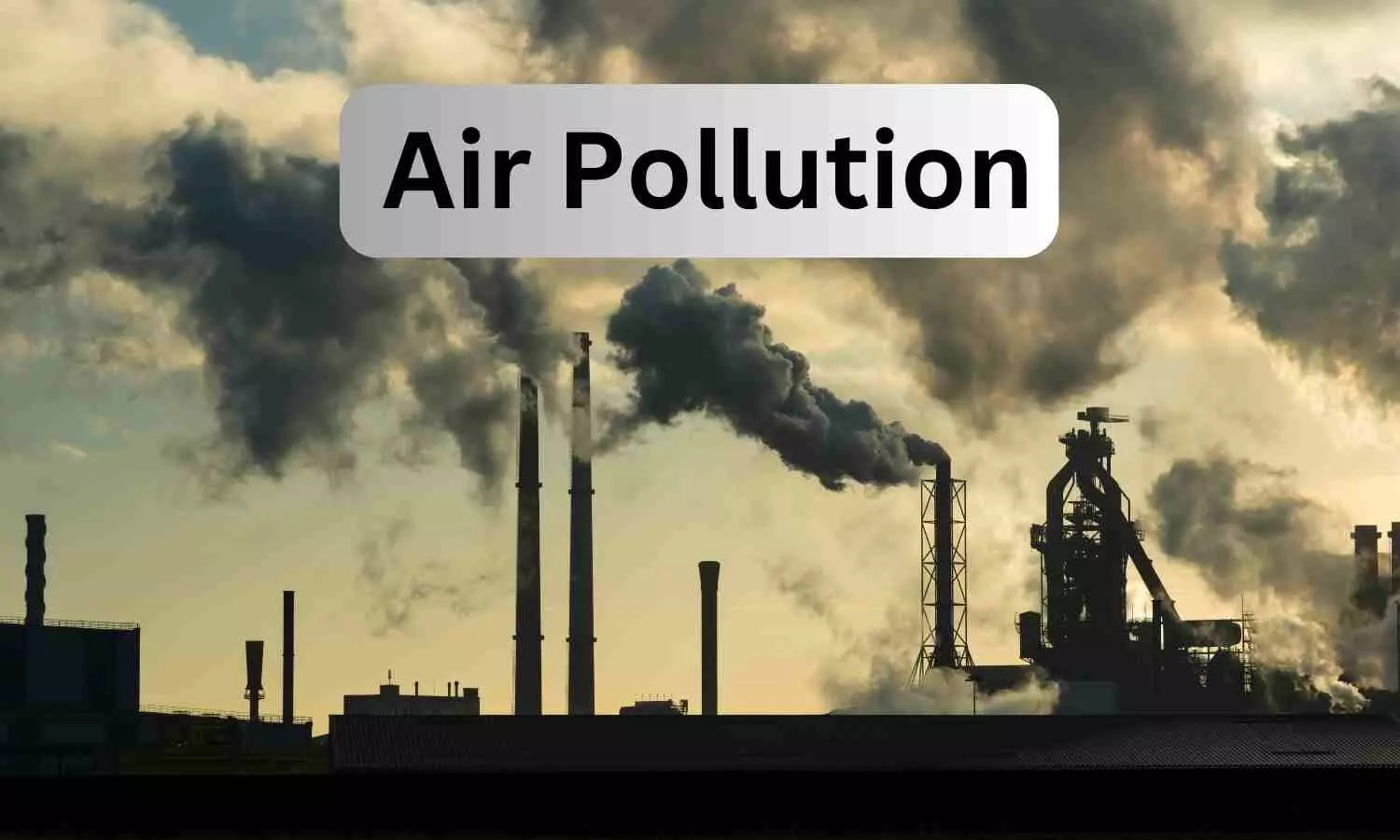
USA: Researchers have found in a new study that lowering air pollution levels could play a significant role in delaying the onset and progression of physical disability among aging adults. These findings highlight the importance of cleaner air policies as a potential strategy to promote healthier aging and preserve physical function in older populations.The study published in JAMA Network Open contributes to the growing evidence that long-term exposure to common air pollutants may influence the development of physical disability over time in adults aged 50 years and older. Led by Jiaqi Gao from the Department of Epidemiology at the University of Michigan School of Public Health, the study examined whether sustained exposure to air pollution affects transitions between healthy physical function, mobility limitations, and disability in activities of daily living (ADL).The analysis included 29,790 participants from the nationally representative Health and Retirement Study who completed at least two interviews between 2000 and 2016. The average age at baseline was 63 years, and participants were followed for a mean of eight years. Researchers estimated 10-year average exposure to fine particulate matter (PM2.5), coarse particulate matter (PM10-2.5), nitrogen dioxide (NO2), and ozone (O3) at each participant’s residential address using spatiotemporal modeling techniques.Physical function was assessed through self-reported mobility and the ability to perform daily tasks such as bathing, dressing, and eating. To capture the dynamic nature of disability, the investigators used multistate statistical models that accounted for progression, recovery, and death, while adjusting for individual and area-level characteristics. The key findings of the study were as follows:Higher long-term concentrations of PM2.5, PM10-2.5, and NO2 were linked to an increased risk of moving from no physical limitations to more severe disability states.Each interquartile range (IQR) increase in PM2.5 exposure was associated with a 6% higher risk of developing physical function limitations.Higher PM2.5 levels were also associated with a 4% lower likelihood of recovering from physical limitations back to normal function.Similar associations with worsening disability transitions were observed for PM10-2.5 and NO2.In contrast, higher ozone (O3) concentrations were associated with a lower risk of progressing to physical limitations or activities of daily living (ADL) disability.The researchers noted that the protective association observed with ozone was unexpected and requires further investigation to clarify the underlying mechanisms.The study has limitations. Exposure estimates were based on residential outdoor pollution and did not account for indoor air quality or time spent outside the home. Although statistical methods were used to address attrition and mortality-related bias, some residual bias may remain. Physical disability was measured through self-report rather than clinical diagnosis, and disease-specific modifiers were not examined.Despite these limitations, the findings suggest that reducing long-term exposure to particulate matter and nitrogen dioxide may help delay the onset and progression of disability in older adults. Cleaner air could therefore be an important component of strategies aimed at promoting healthy aging and reducing the burden of disability.Reference:Gao, J., Szpiro, A. A., Weuve, J., Langa, K. M., Hirth, R. A., Bakulski, K. M., Lee, J., Zhang, B., Keller, K. P., Kaufman, J. D., Faul, J., & Adar, S. D. (2026). Air Pollution and the Progression of Physical Function Limitations and Disability in Aging Adults. JAMA Network Open, 9(2), e2558699. https://doi.org/10.1001/jamanetworkopen.2025.58699