
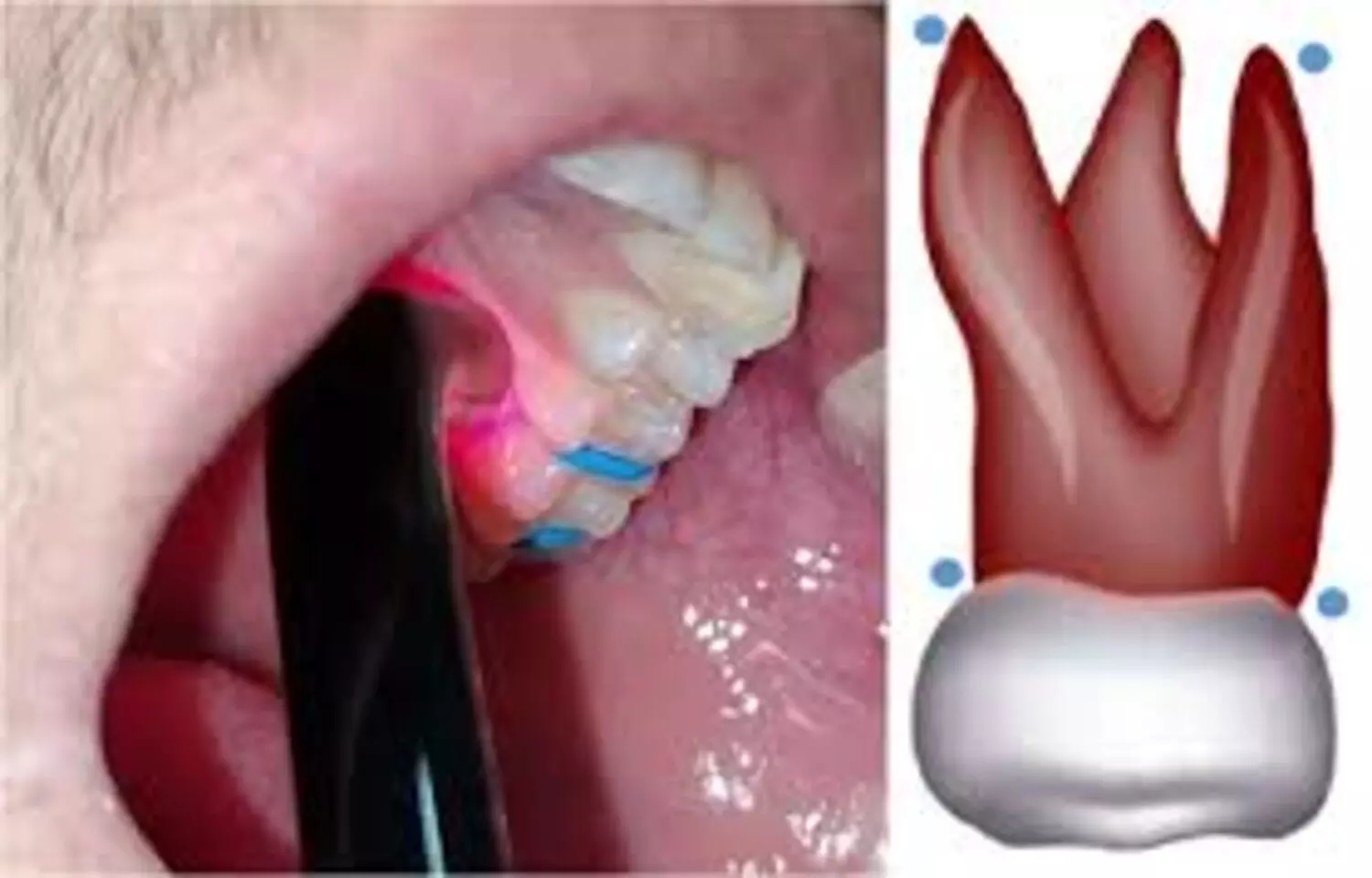
Researchers have found in a new study although low-intensity pulsed ultrasound (LIPUS) may be a promising non-invasive adjunct in orthodontic care, but current evidence is insufficient to support its routine clinical use for pain control or acceleration of tooth movement. This highlights the need for well-designed randomized controlled trials with standardized protocols and outcomes.Low-intensity pulsed ultrasound (LIPUS) has been proposed as a non-invasive adjunct to accelerate orthodontic tooth movement (OTM) and reduce treatment-related pain, but findings remain inconsistent. This systematic review and meta-analysis aimed to evaluate its clinical effectiveness. This systematic review and meta-analysis followed PRISMA 2020. Comprehensive literature searches were conducted in PubMed, Embase, Scopus, Cochrane Library, and Web of Science, covering all records available up to May 25, 2025. Eligible human studies were assessed for risk of bias and data were systematically extracted. All included studies were synthesized qualitatively, while pain outcomes at 24 h from four studies were pooled using a random-effects model.Eleven studies met inclusion: 4 evaluated OTM only, 4 pain only, and 3 both-yielding 7 studies per outcome domain. The meta-analysis for four studies showed no significant difference in pain at 24 h between LIPUS and controls (MD = – 0.76; 95% CI – 2.86 to 1.33; p = 0.48; I[2] = 93%). However, individual trials reported variable short-term analgesic effects. Evidence for OTM acceleration was mixed, ranging from substantial acceleration to negligible effect. Considerable heterogeneity in study design, intervention protocols and outcome definitions limited comparability. LIPUS may represent a promising non-invasive adjunct in orthodontics, yet current evidence remains insufficient to support its routine clinical use for either pain management or tooth movement acceleration. Further high-quality randomized controlled trials with standardized application protocols and consistent outcome measures are needed to clarify its effectiveness.Reference:Shahri, Arsalan, et al. “Efficacy of Low-intensity Pulsed Ultrasound in Orthodontic Tooth Movement and Pain Perception in Human Studies: a Systematic Review and Meta-analysis.” BMC Oral Health, 2026.Keywords:Insufficient, Evidence, Routine, Use, LIPUS, Orthodontics, Study, Shahri, Arsalan, BMC Oral Health