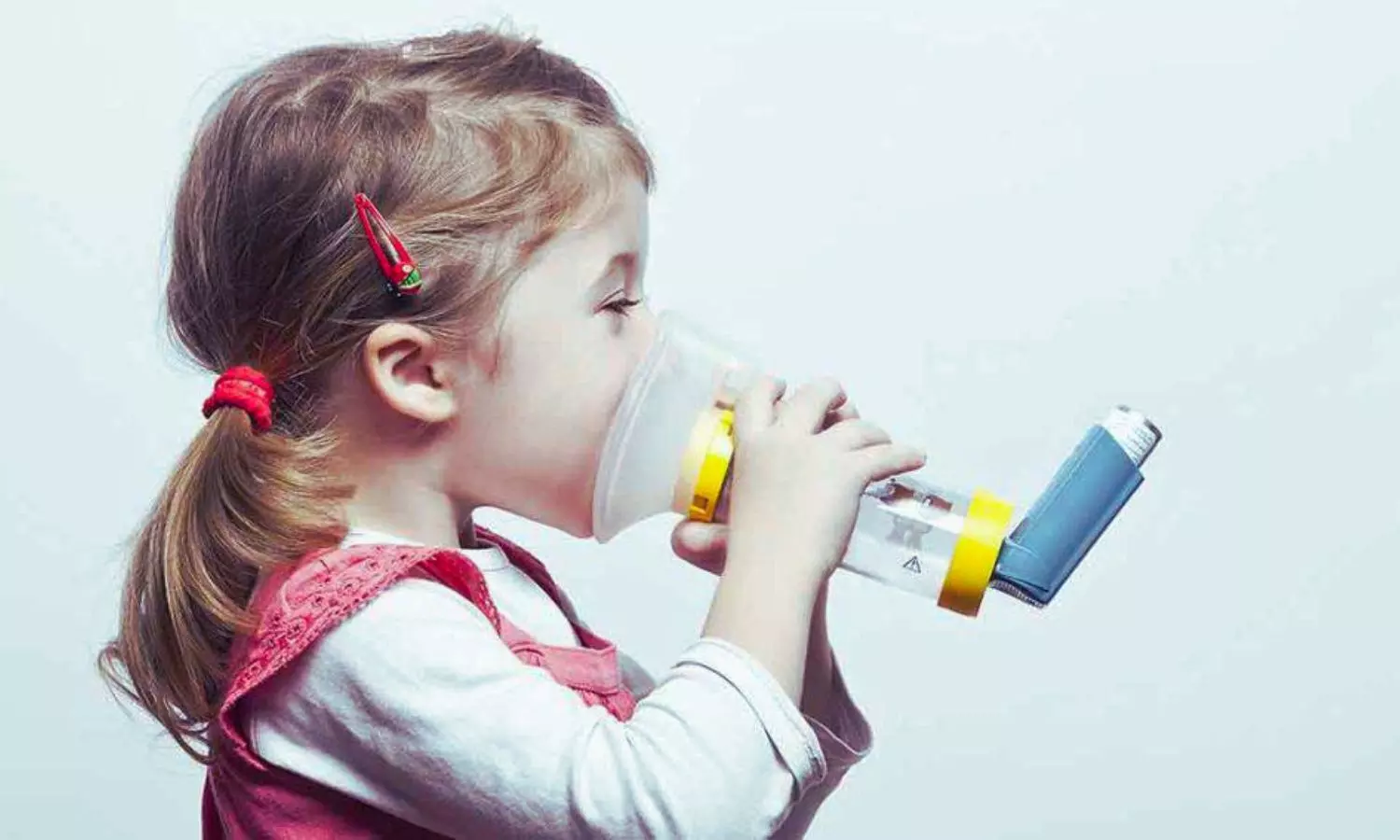
Finland: Researchers have discovered in new research that young children with acute wheezing showed greater clinically meaningful improvement when salbutamol was delivered via a valved holding chamber (VHC) with higher in-vitro drug delivery. This highlights that inhalation device selection significantly affects treatment outcomes and supports the need for device-specific recommendations in pediatric respiratory guidelines. The findings come from a multicenter randomized clinical trial published in JAMA Pediatrics and led by Péter Csonka from the Tampere Center for Child, Adolescent, and Maternal Health Research, Tampere University, Finland. Acute wheezing is one of the most common reasons for pediatric emergency department visits. Although VHCs are widely used to administer inhaled bronchodilators in young children, commercially available devices vary in the amount of medication they deliver under laboratory conditions. Until now, it has been unclear whether these in-vitro differences translate into meaningful clinical effects.The trial was conducted across four pediatric emergency departments in Finland between April 2019 and May 2025, with a temporary pause during the COVID-19 pandemic. A total of 80 children aged 6 to 48 months with moderate to severe wheezing—defined by a respiratory distress assessment instrument (RDAI) score of 6 or higher—were randomly assigned to receive salbutamol through one of two commercially available VHCs.One device (VHC-1) was known to provide higher in-vitro drug delivery, while the other (VHC-2) delivered lower amounts. Each device was used with its designated mask. Salbutamol was administered at 0.6 mg per treatment cycle, with up to three or four cycles at 20-minute intervals.The primary outcome was posttreatment RDAI score and its change from baseline. Secondary outcomes included hospitalization rates, need for an additional fourth dose of salbutamol, respiratory rate, and oxygen saturation. The study led to the following findings:Children treated with the higher-delivery VHC showed significantly better clinical outcomes than those treated with the lower-delivery device.The mean posttreatment RDAI score was 2.7 in the VHC-1 group compared with 6.8 in the VHC-2 group, indicating a statistically significant difference.The reduction in RDAI score from baseline was greater in children receiving treatment through VHC-1.Hospitalization rates were substantially lower in the higher-delivery group (20%) compared with the lower-delivery group (50%).The number needed to treat with the higher-delivery device to prevent one hospitalization was just over three.Posttreatment respiratory rates were lower among children treated with the higher-delivery VHC.Oxygen saturation levels after treatment were higher in the higher-delivery group.Children using the higher-delivery device were less likely to require a fourth dose of salbutamol.The investigators concluded that not all VHCs should be considered interchangeable. The study demonstrates that higher in-vitro drug delivery can translate into superior clinical response in young children with acute wheezing. These findings suggest that pediatric treatment guidelines should move beyond general device categories and incorporate specific recommendations based on device performance, ensuring optimal therapeutic outcomes in this vulnerable population.Reference:Csonka P, Ruuska-Loewald T, Hämynen I, et al. Valved Holding Chambers in Young Children With Acute Wheezing: A Randomized Clinical Trial. JAMA Pediatr. Published online February 23, 2026. doi:10.1001/jamapediatrics.2025.6479
Inhalation Device Choice Influences Treatment Response to Salbutamol in Young Children with Asthma: JAMA
 By
health_news
By
health_news