
What You Should Know
The U.S. Food and Drug Administration (FDA) has granted De Novo marketing authorization to Abbott for its Libre Duo 10 Day system, establishing the new integrated continuous glucose and ketone monitoring (iCGK) regulatory benchmark alongside standard iCGM status.Libre Duo monitors glucose and continuously tracks rising ketones in the background to prevent diabetic ketoacidosis (DKA), a critical emergency for which U.S. hospital admissions have increased by 55% over the past decade.Indicated for individuals with Type 1 or Type 2 diabetes aged 2 years and older, Libre Duo offers up to 10 days of continuous sensor wear.Libre Duo specifically protects high-risk populations, including insulin users and patients taking sodium-glucose cotransporter 2 (SGLT2) inhibitors, where dangerous euglycemic DKA can develop even when glucose readings appear normal.Integrates natively into the Libre digital ecosystem—including the Libre mobile app, LibreView for clinicians, and LibreLinkUp for family caregivers.
Catching Ketone Spikes Before the ER
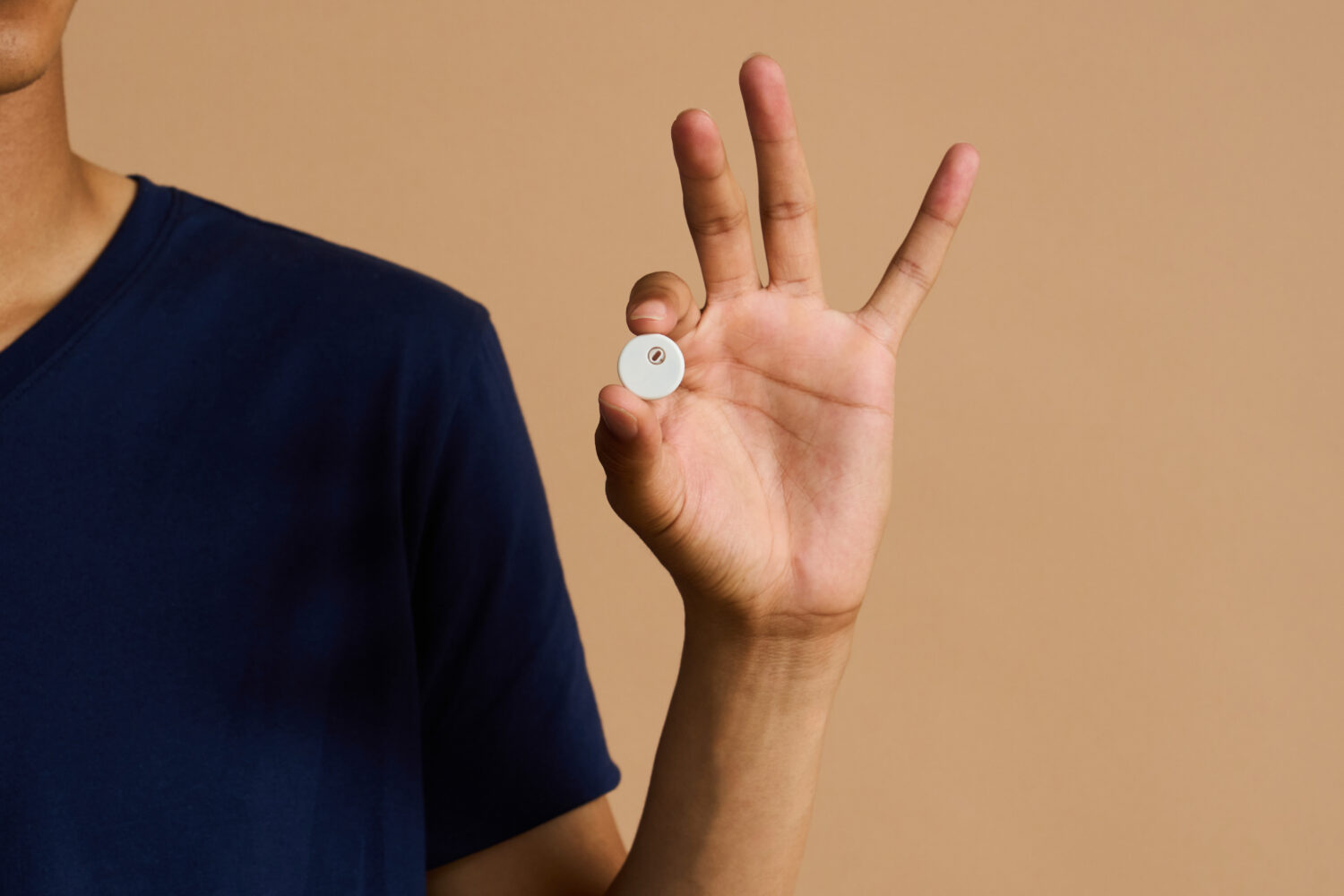
Cleared for adults and children as young as 2 years old with Type 1 or Type 2 diabetes, the Libre Duo measures glucose and ketones simultaneously from a single 10-day sensor patch worn on the back of the arm.
Instead of waiting for a patient to feel sick enough to pull out a manual fingerstick ketone meter, the device runs continuous ketone tracking in the background. If ketone levels begin to climb, the sensor pushes an alert through the mobile app so patients can take corrective insulin or hydrate hours before ketoacidosis sets in.
The system plugs directly into Abbott’s existing software network, syncing data to the Libre mobile app, streaming longitudinal reports to physicians via LibreView, and routing remote alerts to family members through LibreLinkUp.
Abbott also laid out an integration timeline for automated insulin delivery (AID) systems. The company plans to connect Libre Duo with Beta Bionics’ iLet and Sequel Med Tech’s twiist pumps by late 2026, with compatibility for Insulet, Tandem, and MiniMed systems slated for 2027.
What Clinical and Industry Leaders Are Saying
“If glucose is the speedometer, ketones are like the check engine light—providing an alert that something may need attention,” said Chris Scoggins, executive vice president of Abbott’s Diabetes Care business. “Libre Duo 10 Day brings both glucose and ketone levels together in a single dashboard, providing a more complete picture to help people with diabetes make more informed decisions.”
Physicians treating high-risk pediatric and adult patients noted that automated background checks remove a major point of friction in outpatient care.
“As a physician, I see how quickly DKA can develop—and how often early warning signs or opportunities to measure ketones are missed,” said Dr. Jennifer Sherr, a pediatric endocrinologist at Yale School of Medicine. “Abbott’s dual glucose-ketone system is meaningful because ketone data is collected in the background, helping provide earlier awareness of rising ketone levels.”
Dr. Aaron J. Kowalski, CEO of Breakthrough T1D and a longtime Type 1 diabetes advocate, emphasized the peace of mind the dual sensor offers families: “I understand the serious risk of diabetic ketoacidosis and how challenging it can be to identify and monitor elevated ketone levels. New technology like Abbott’s dual glucose-ketone system has the potential to change that reality by giving people early and actionable information that can help identify and prevent dangerous complications.”