
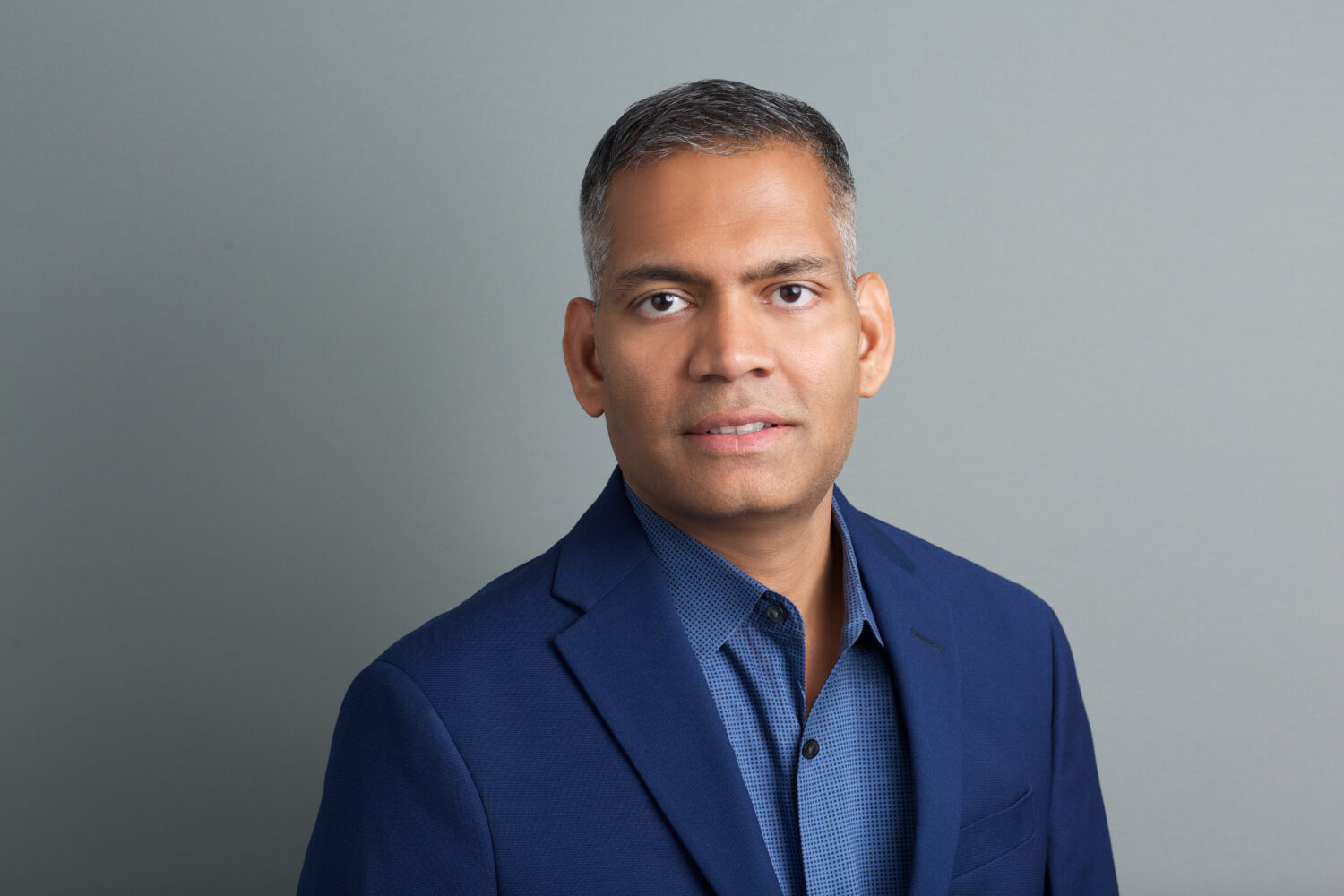
Hari Prasad, Founder & CEO of Yosi Health
For most physicians, the workday does not end when the last patient leaves. Notes still need to be finished. Messages are still waiting. Administrative tasks are still open. This after-hours work has a name, pajama time, and healthcare has treated it as an unavoidable cost of practicing medicine for far too long.
Because the truth is, it isn’t unavoidable. And the fix has almost nothing to do with the time of day. Most of what follows clinicians home starts hours earlier, before the patient ever sits down in the exam room.
The Problem Starts Before the Visit, Not After
Documentation is the biggest driver of after-hours work, but documentation itself isn’t really the problem. A patient arrives without a completed intake form, medical history, or screening questionnaire, and that information has to be collected during the visit instead. Add an insurance or eligibility issue discovered at check-in, and the provider is now doing cleanup on top of catch-up.
Individually, none of this looks serious. Stacked across a full patient panel, it becomes a chain of deferred work that lands, predictably, on the provider’s desk after the last patient has walked out. The consequences aren’t limited to lost personal time: research published in JAMA Network Open found that clinicians who spent more time in the EHR after hours had significantly higher odds of emotional exhaustion and burnout.
Telling physicians to chart faster does not fix a timing problem. Fixing it means deciding when information gets collected, who is responsible for collecting it, and what can be moved ahead of the appointment entirely.
Enterprise Health Systems Aren’t the Only Ones Living This
Some of the largest health systems in the country are already acting on this. Baptist Health has explored ways to manage physician inboxes while providers are away. Geisinger and Ochsner Health are using AI to simplify clinical and administrative workflows. All of it is worth watching.
But none of it answers the question that matters most for the majority of American medicine: what happens to the independent clinic that cannot build a dedicated front-office program or add three new administrative roles? Those practices deal with the exact same incomplete intake forms, message backlogs, and eligibility surprises, with a fraction of the staff to absorb them. Solving pajama time only for health systems with the budget to build custom infrastructure solves it for almost no one. Smaller practices need the same relief, delivered through technology that automates the repetitive work rather than headcount they cannot afford.
Peachtree Medical Center is one example of a practice doing exactly this. As documented in a published athenahealth Marketplace case study, the practice shifted intake, forms, and pre-visit data collection to before the appointment rather than during it. That brought pre-arrival form completion to 98% and cut roughly 10 minutes of administrative time out of every appointment. Seema Ibrahim, Director of Operations at Peachtree, put it directly: “Check-in times have decreased noticeably, and our clinicians and medical assistants really value the pre-screening tools.”
The Cost Isn’t Just Personal Time
Every hour a clinician spends on administrative work after hours is an hour they aren’t seeing patients, while the practice keeps paying for staffing, facilities, and technology regardless. Physician burnout has improved for four consecutive years, falling to 41.9% in 2025 from 48.2% in 2023, according to the American Medical Association. That progress is real and worth acknowledging. But administrative burden remains one of the most frequently cited drivers of the burnout that’s left, which means the gains made so far are a reason to keep fixing workflow, not a reason to stop.
When administrative work keeps spilling into the evening, providers lose the time they need to rest, be with family, and actually disconnect. That isn’t a wellness talking point. It is the direct, measurable cost of a workflow that pushes work to the wrong part of the day.
Where the Technology Should Stop
Technology has a real role here, and it is a bounded one. The right place for it is everything that happens before, and around, the clinical encounter: intake, scheduling, eligibility checks, routing information to the right person before a provider ever opens the chart. Handled well, none of that requires clinical expertise, only consistency.
What it should not do is step into the exam room. Interpreting results, weighing a diagnosis, deciding on treatment: that judgment belongs to the clinician, full stop. A tool that gathers and organizes information is doing something categorically different from one that tries to reason about a patient’s care, and blurring that distinction is how a practice loses the trust it needs most from its own providers.
The goal isn’t to add another system to an already crowded workflow. It’s to remove steps from one. Success shouldn’t be measured by how much software a practice has adopted, but by how little administrative work is still sitting there unfinished at the end of the day.
Putting an End to Pajama Time
Pajama time is not an unavoidable cost of practicing medicine and treating it that way is exactly why it hasn’t gone away. Administrators should start upstream: where is information being collected, and what’s happening during the visit that could happen before it?
Every form completed before a patient arrives, every eligibility issue resolved before check-in, every repetitive task moved off a clinician’s plate is one less thing competing for their attention at 8 p.m. If healthcare wants to end pajama time, it has to stop looking at the evening and start looking at everything that leads up to it. That is where the fix lives, and it’s available to every practice, not just the ones with the budget for a big system’s playbook.
About Hari Prasad
Hari Prasad is pioneering the modernization of the entire healthcare patient experience. He is co-founder and CEO of Yosi Health, a full-service technology ecosystem that connects patients with their providers through the entire care journey before, during and after the visit creating delightful patient experiences.