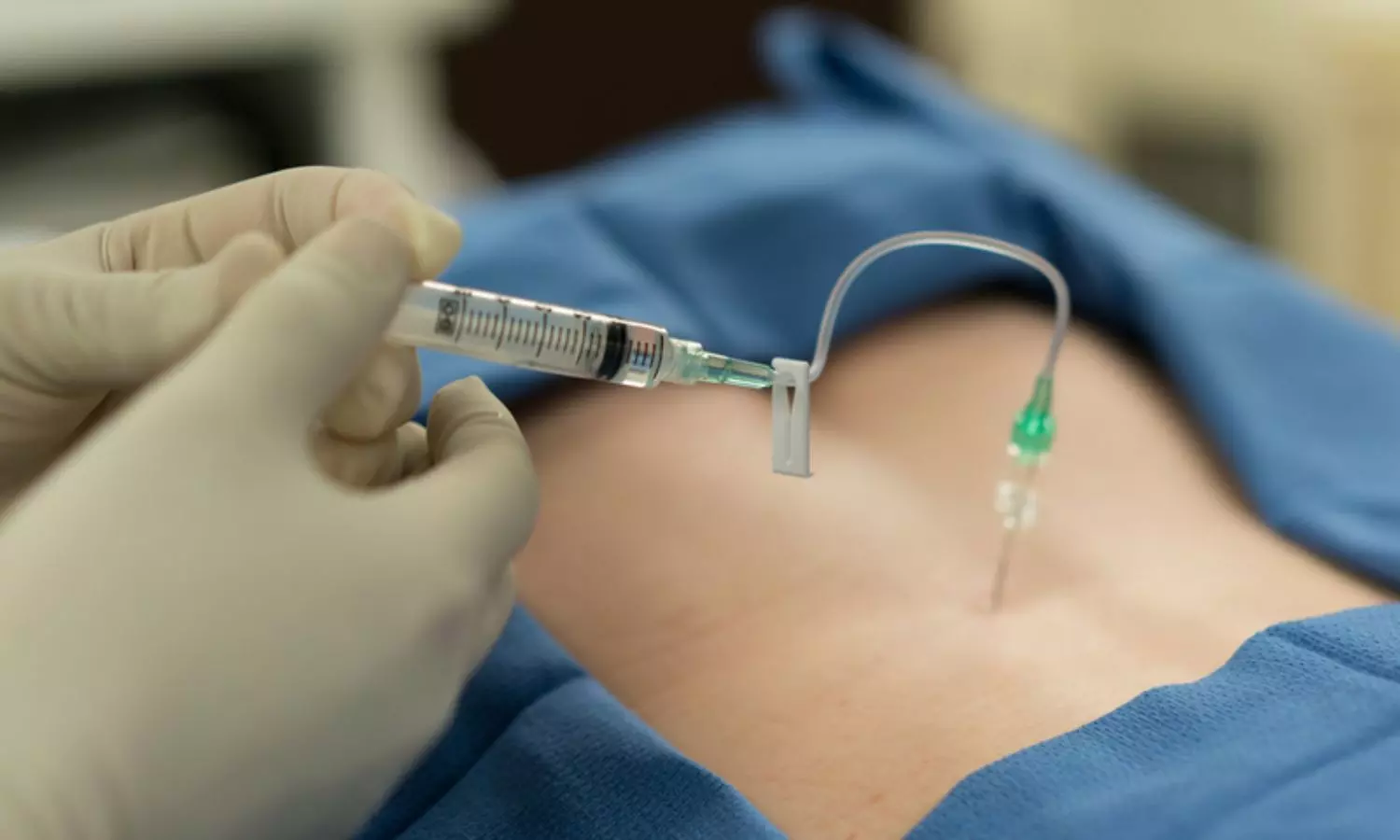
A new study published in the journal of Anesthesiology Research and Practice showed that the cardioprotective advantages of epidural anesthesia (EA) may be mostly attributed to aldosterone suppression, which enhances recovery and lowers cardiovascular problems following heart surgery.Regional anesthetic is being used more frequently in multimodal recovery procedures to lower opioid use, ICU stays, and expenses. Surgical stress reactions that cause ischemia, myocardial infarction (MI), thromboembolism, pulmonary dysfunction, ileus, infection, and cognitive decline are lessened by EA, especially in cardiac surgery. Reduced MI, heart failure, blood loss, respiratory issues, and ileus are reported in meta-analyses; these findings are probably caused by better hemodynamics and thoracic sympatholysis. Modulating the effects of aldosterone, which is raised during surgical stress, may enhance outcomes by promoting hypertension, fibrosis, and ventricular dysfunction.
To better understand EA’s long-term protective impact, this study assessed EA in off-pump coronary artery bypass grafting (CABG) by looking at perioperative aldosterone alterations and their correlation with 5-year morbidity and death.
General anaesthesia (GA) (n = 30) and GA + EA (n = 30) were the two groups into which 69 male patients receiving elective off-pump CABG were randomly assigned. Bilateral internal mammary arteries skeletonized with an ultrasonic scalpel were used to standardize surgical techniques. Patients in the GA + EA group got continuous bupivacaine infusion along with thoracic EA at the T2–T3 level, verified radiologically.
The GA + EA group showed notable advantages, such as a shorter time on mechanical ventilation and a shorter hospital stay. The GA + EA group had considerably increased internal mammary artery blood flow measurements (p < 0.001). Reduced stress-induced hormonal responses were shown by substantially lower plasma aldosterone levels in GA + EA patients (left artery: 13.38 vs. 17.68 ng/dL, p = 0.005; right artery: 12.77 vs. 18.37 ng/dL, p = 0.003). Long-term results showed that the GA + EA group had better major adverse cardiovascular event (MACE)-free survival (p < 0.001).Even after controlling for age, ejection fraction, and dopamine levels, Cox regression analysis verified that GA + EA independently decreased cardiovascular risk. An increased risk of MACE was substantially linked with higher levels of aldosterone. Overall, combining EA and GA in cardiac surgery greatly improves postoperative outcomes by lowering the frequency of MACEs, the length of hospital stay, and the duration of mechanical breathing. Source:Sanchez, D. N., Diez, E. R., & Renna, N. F. (2026). Epidural anesthesia as a protective factor in cardiac surgery: A prospective randomized study. Anesthesiology Research and Practice, 2026(1). https://doi.org/10.1155/anrp/1869099
Epidural anesthesia linked to Cardioprotective Effects mediated by Aldosterone Suppression: Study
 By
health_news
By
health_news