
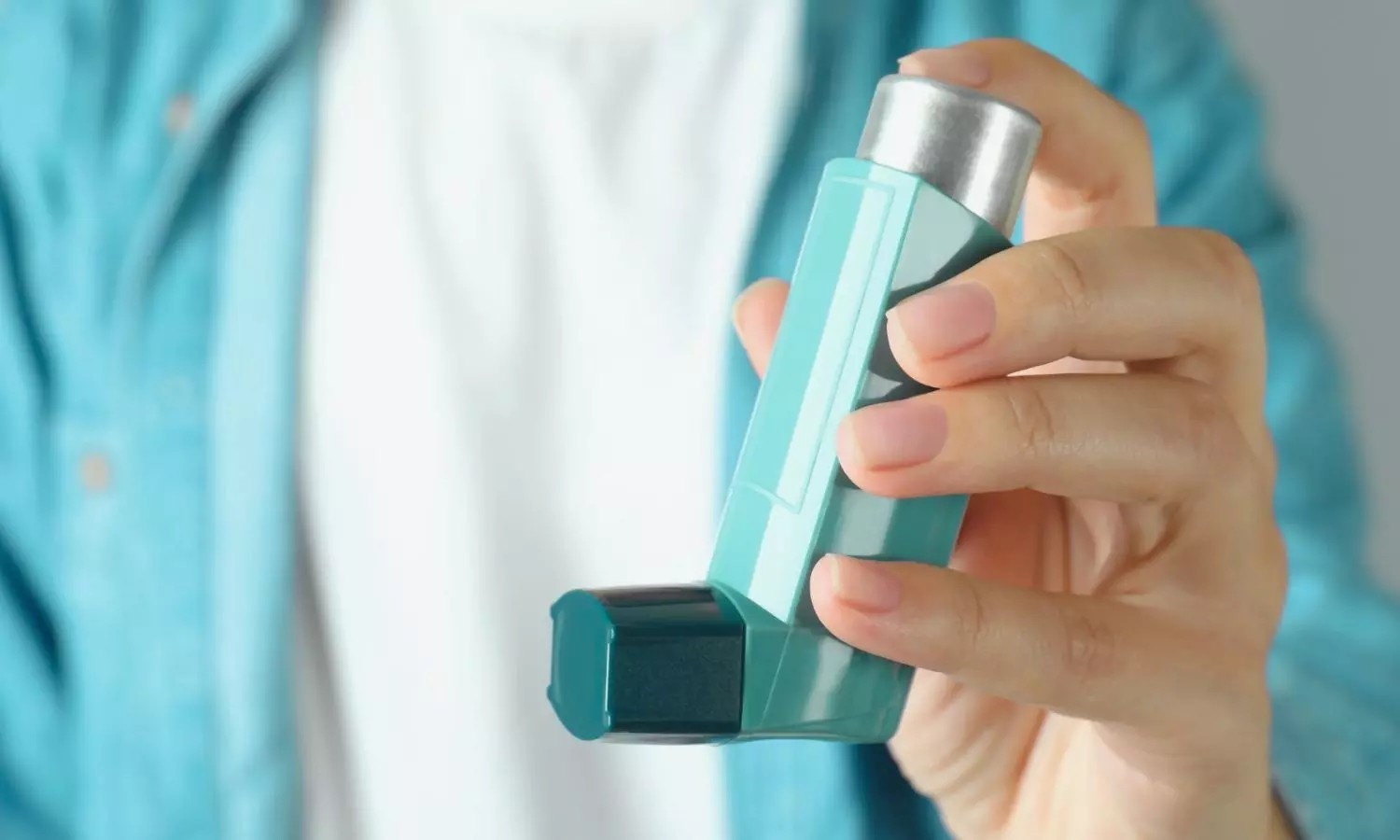
A new study published in the NPJ Primary Care Respiratory Medicine journal revealed that home spirometry significantly improved and expedited asthma diagnosis, with nearly 80% of patients diagnosed within 2–4 weeks. Two days of positive diurnal variability in lung function provided the best diagnostic accuracy. Home spirometry showed good sensitivity and specificity, while bronchodilator responsiveness testing had high specificity but low sensitivity.The study evaluated how well different lung function measurements identify asthma in real-world primary care settings, including the use of a trial treatment when initial tests were inconclusive. This research focused on patients seeking care at primary healthcare centers across Sweden who had symptoms suggestive of asthma but had not yet received a formal diagnosis.A total of 123 participants underwent a structured diagnostic work-up. This included either remote or in-clinic spirometry with bronchodilator responsiveness (BDR) testing, as well as home-based measurements of diurnal variability in forced expiratory volume in one second (FEV₁) and peak expiratory flow (PEF). These home measurements were conducted over a period of two to four weeks using a digital spirometry system. For patients whose diagnosis remained uncertain, a three-month trial treatment with inhaled corticosteroids was introduced to assess symptom and lung function response. By the end of the diagnostic process, 71 out of 123 participants were diagnosed with asthma. The study then compared how accurately each lung function method identified asthma when measured against the final documented diagnosis.Bronchodilator responsiveness testing showed very high specificity but extremely low sensitivity. Only 9% of patients with asthma were correctly identified using BDR alone, although it correctly ruled out asthma in all non-asthma cases. Diurnal variability in FEV₁ demonstrated a more moderate diagnostic profile. It correctly identified 61 percent of asthma cases and correctly excluded asthma in 58 percent of non-asthma cases, indicating limited discriminatory power when used in isolation.The strongest overall performance came from diurnal variability testing of PEF measured at home. This method showed a sensitivity of 76% and a specificity of 69%, which offers the best balance between detecting asthma and avoiding false positives among the tests evaluated. Overall, the findings highlight the limitations of relying solely on single in-clinic measurements for asthma diagnosis. Repeated home spirometry capturing daily lung function fluctuations appears to provide a more accurate and clinically useful picture. Source:Myers, L., Bellander, M., Ljungberg, H., Isachsen, M., Eduards, M., Lindman, M., Carleborg, A., Rosengren, M., Jansson, M., Sandelowsky, H., Larsson, K., & Nordlund, B. (2025). Assessing diagnostic accuracy for asthma with home spirometry in primary care. NPJ Primary Care Respiratory Medicine, 36(1), 3. https://doi.org/10.1038/s41533-025-00471-5