
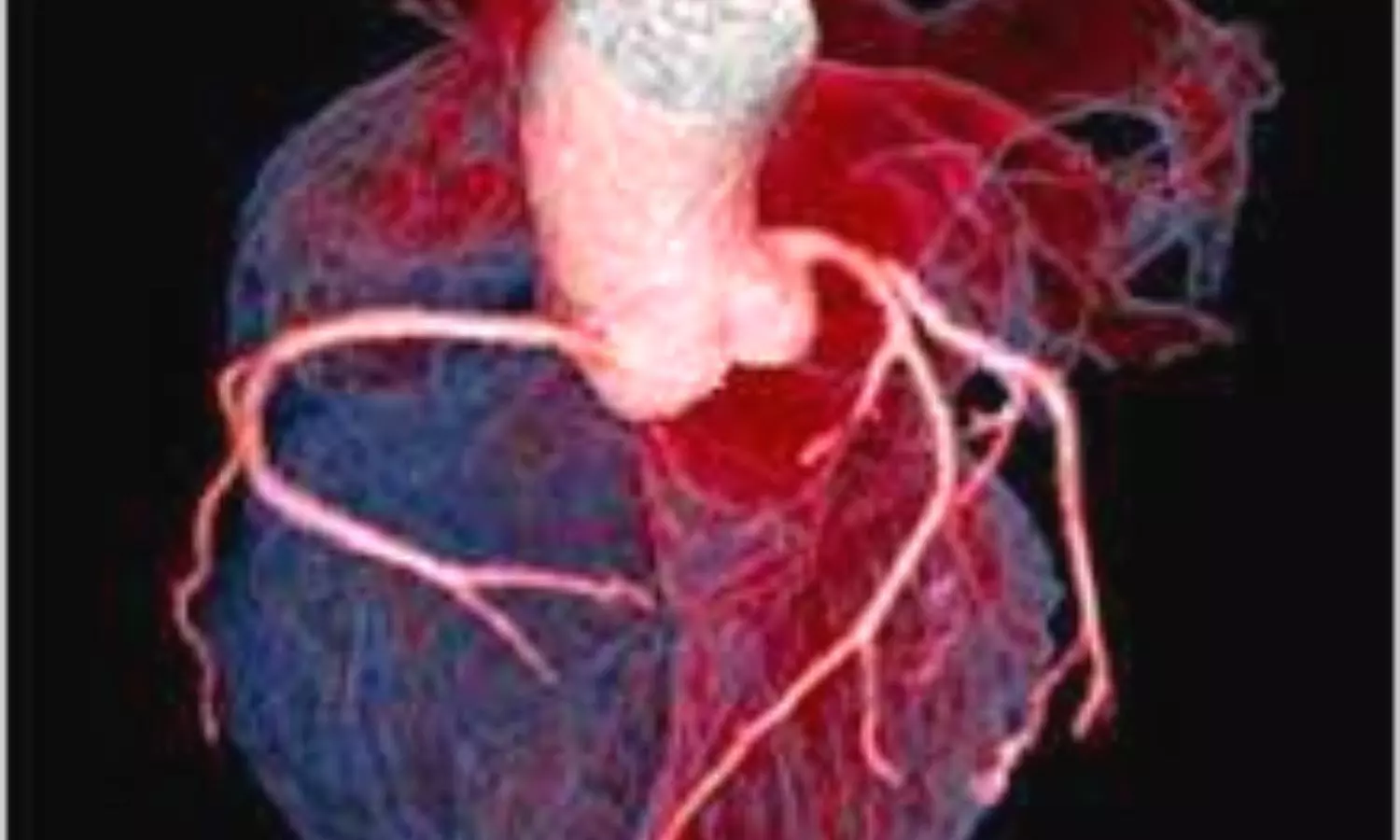
USA: With the global rise in coronary artery disease (CAD), substantial variability in radiation doses from diagnostic tests highlights a pressing need for better training, standardized imaging protocols, and upgraded equipment. This issue disproportionately affects patients in low- and middle-income countries (LMICs), particularly those undergoing coronary CT angiography (CCTA). Addressing these gaps presents a significant opportunity to enhance the safety, quality, and equity of CAD diagnosis worldwide.A large international study published in the Journal of the American Medical Association (JAMA) by Andrew J. Einstein of the Seymour, Paul, and Gloria Milstein Division of Cardiology at Columbia University Irving Medical Center, New York, and colleagues, provides one of the most comprehensive assessments to date of radiation exposure from noninvasive CAD imaging. The investigators evaluated radiation doses delivered during routine diagnostic testing across 101 countries.The cross-sectional study included 19,302 adult patients undergoing noninvasive CAD testing at 742 centers during a single week between October and December 2023. Imaging modalities assessed included single-photon emission computed tomography (SPECT), positron emission tomography (PET), coronary artery calcium scoring (CACS), and CCTA. The researchers reported the following findings:Radiation dose varied substantially by imaging modality.Median effective doses were 1.2 mSv for CACS, 2.0 mSv for PET, 6.5 mSv for SPECT, and 7.4 mSv for CCTA.Guidelines recommend keeping radiation exposure at or below 9 mSv when possible.Doses exceeded 9 mSv in 21% of nuclear cardiology studies and 44% of CCTA examinations.Western Europe reported the lowest median radiation doses for both nuclear cardiology and CCTA.Nuclear cardiology doses were highest in Latin America, while CCTA doses were highest in Africa.Median CCTA dose in low- and lower-middle–income countries was more than 280% higher than in high-income countries.In Africa, the median CCTA radiation dose was more than 500% higher than in Western Europe.An inverse relationship was observed between national income level and radiation dose.Compared with high-income countries, radiation exposure was about 20% higher in LMICs for nuclear cardiology and up to 96% higher for CCTA.Considerable variation was noted within the same income groups and regions, indicating potential differences in training, equipment, and adherence to dose-reduction practices.The authors conclude that as CAD prevalence continues to increase globally, efforts to standardize imaging protocols, expand education in dose-reduction techniques, and modernize equipment are urgently needed. Reducing unnecessary radiation exposure—especially in resource-limited settings—represents a crucial step toward improving the overall quality and safety of cardiac care worldwide.Reference:Einstein AJ, Williams MC, Weir-McCall JR, et al. Worldwide Radiation Dose in Coronary Artery Disease Diagnostic Imaging. JAMA. Published online February 25, 2026. doi:10.1001/jama.2026.0703