
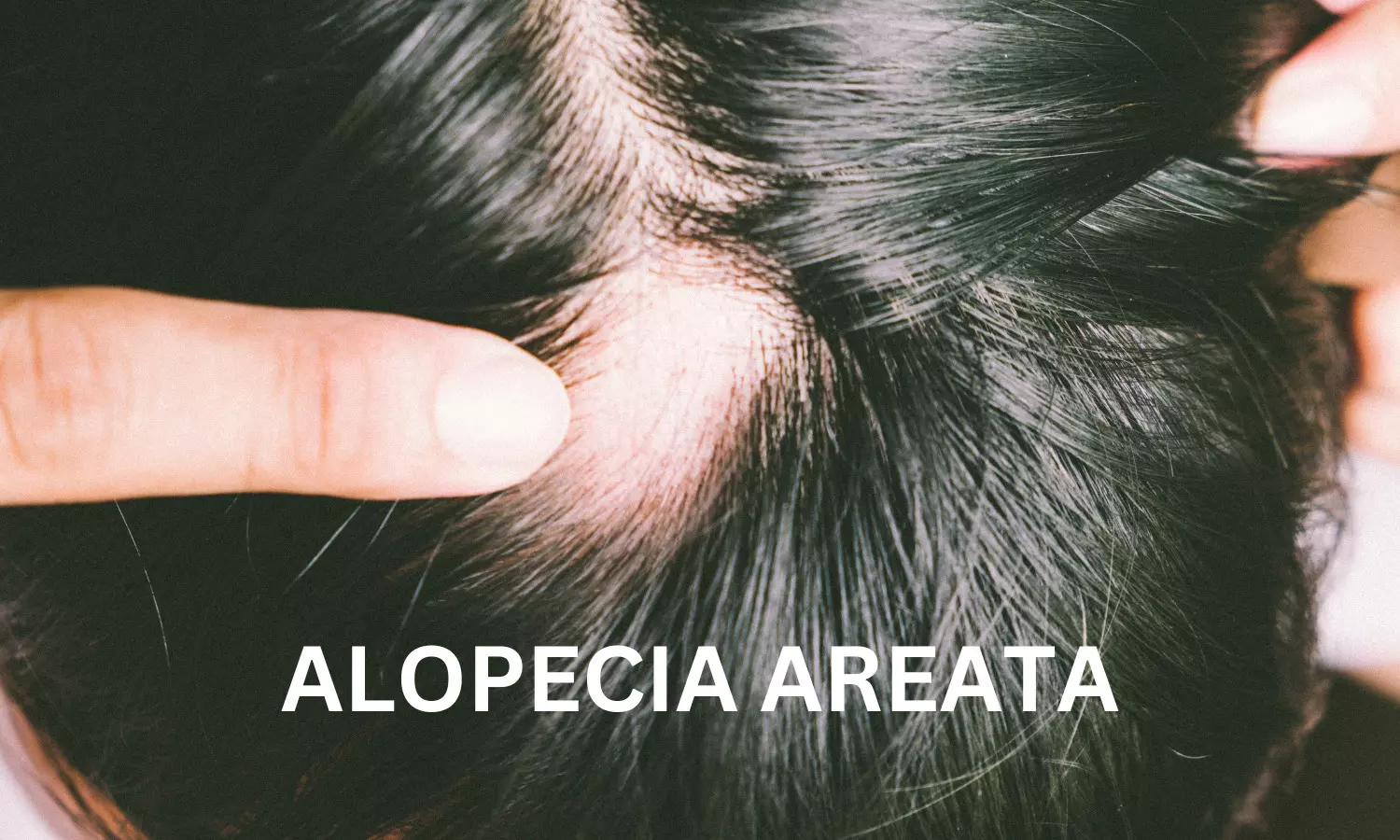
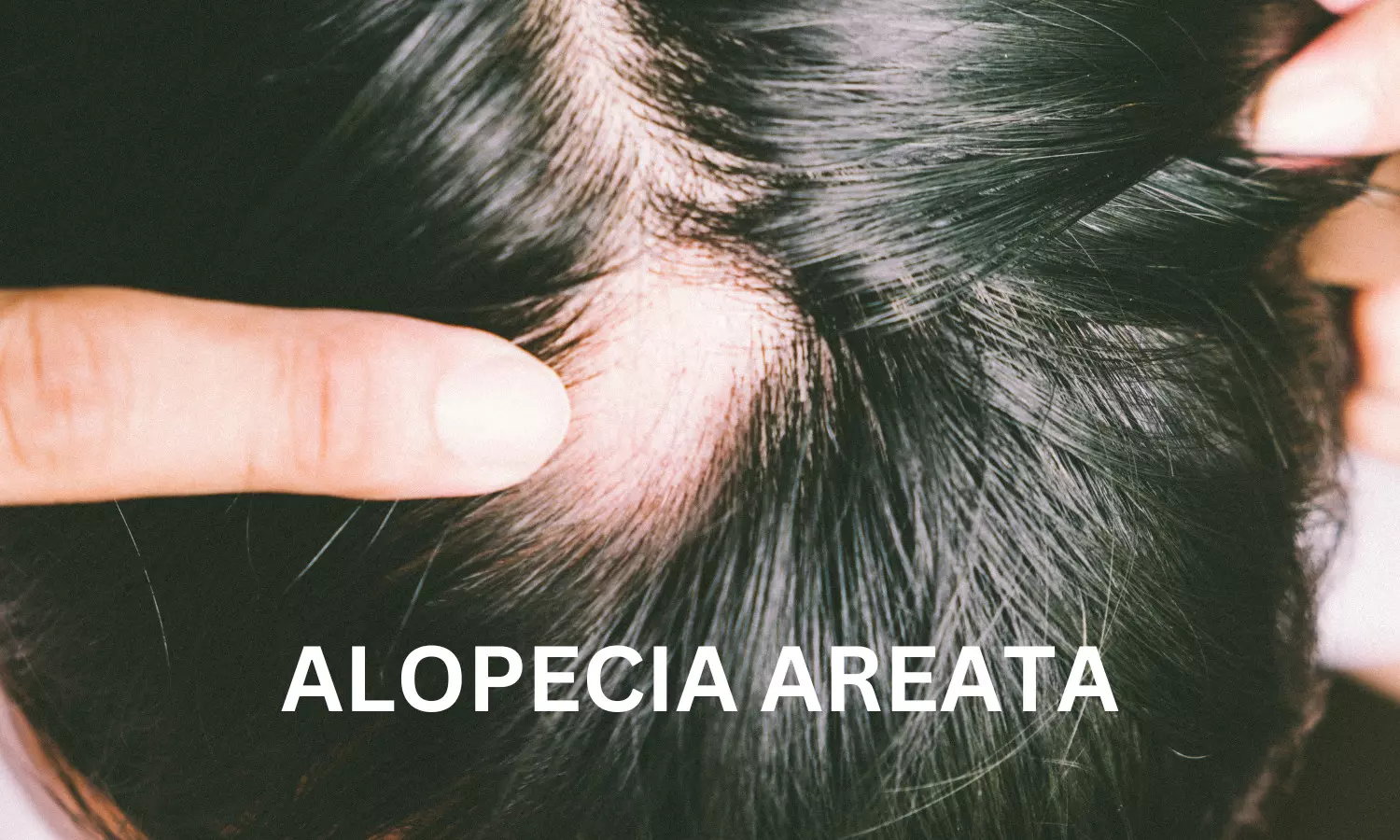
Saudi Arabia: Researchers have found in a 52-week real-world cohort that baricitinib showed sustained effectiveness and good tolerability in patients with severe alopecia areata. The results, published in Acta Dermatovenerologica Alpina, provide valuable insights into the long-term clinical outcomes of baricitinib therapy.
Alopecia areata (AA) is an autoimmune disorder marked by patchy, non-scarring hair loss that can progress to extensive scalp or body involvement. The condition is driven by immune-mediated damage to hair follicles, with growing evidence pointing to the Janus kinase–signal transducer and activator of transcription (JAK–STAT) pathway as a key contributor to disease pathogenesis. Baricitinib, an oral JAK inhibitor, has emerged as an important therapeutic option and has received regulatory approval for the treatment of severe AA. However, data on its long-term performance in routine clinical practice remain limited.
To address this gap, Aleid NM and colleagues from the Department of Dermatology and Dermatologic Surgery, Prince Sultan Military Medical City, Riyadh, conducted a retrospective real-world study assessing the effectiveness and safety of baricitinib in patients with severe AA over one year. The analysis included 87 patients who received baricitinib at a daily dose of 4 mg and completed at least 52 weeks of follow-up.
Disease severity was evaluated using the Severity of Alopecia Tool (SALT) score, a validated measure that quantifies the percentage of scalp hair loss. At baseline, participants had extensive disease, with a mean SALT score of 77.07%, reflecting severe hair loss. The mean age of the cohort was 29.84 years, highlighting the burden of AA in young adults, a group often affected by the psychological and social consequences of visible hair loss.
The study led to the following notable findings:
- After a mean follow-up of 52 weeks, baricitinib led to significant and sustained improvement in hair regrowth in patients with severe alopecia areata.
- A clinically meaningful response was observed, with 37.20% of patients achieving a SALT score of ≤20, indicating substantial scalp hair recovery.
- Overall SALT scores showed a statistically significant reduction from baseline, confirming the long-term effectiveness of baricitinib in real-world practice.
- The observed benefits aligned with outcomes reported in controlled clinical trials, supporting the drug’s effectiveness beyond trial settings.
- Treatment was generally well tolerated, with 72.40% of patients reporting mild or no adverse events during the study period.
- No serious adverse events were recorded over the 52-week follow-up, highlighting a favorable safety profile for prolonged use.
The authors note that real-life studies such as this are essential for understanding how treatments perform outside of clinical trials, where patient populations are often more diverse, and adherence patterns may vary. While the retrospective design and lack of a control group are acknowledged limitations, the study represents one of the larger real-world evaluations of baricitinib in severe AA to date.
“Overall, the findings suggest that baricitinib offers durable clinical benefits with good tolerability over one year of treatment in patients with severe alopecia areata. These real-world data strengthen the evidence base supporting baricitinib as an effective long-term therapeutic option and provide reassurance to clinicians and patients considering its use in routine dermatology practice,” the authors concluded.
Reference:
Aleid, Nouf M., et al. “Effectiveness of Baricitinib in Severe Alopecia Areata in Real Life: a Retrospective Study of 87 Patients.” Acta Dermatovenerologica Alpina, Pannonica, Et Adriatica, vol. 34, no. 4, 2025, pp. 183-186.