
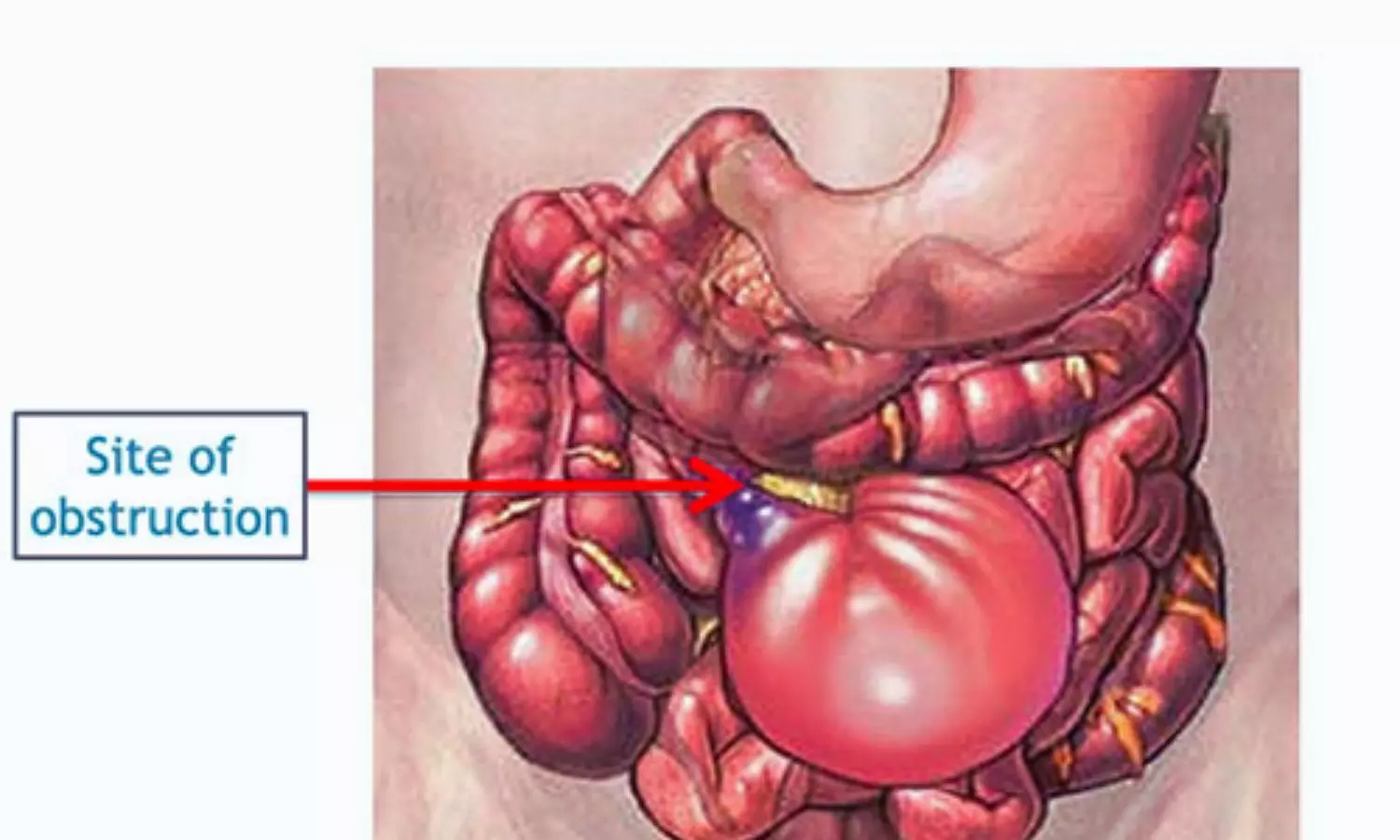
Finland: A five-year follow-up of the Laparoscopic vs Open Adhesiolysis for Adhesive Small Bowel Obstruction (LASSO) randomized clinical trial has found no significant long-term advantage of laparoscopic surgery over the conventional open approach for patients with adhesive small bowel obstruction (SBO). The study, led by Panu Räty from the Department of Abdominal Surgery at the University of Helsinki and Helsinki University Hospital, was published in JAMA Surgery.Adhesive SBO is a common surgical emergency that occurs when scar tissue from previous abdominal operations obstructs the small intestine. While laparoscopic adhesiolysis has been associated with faster short-term recovery compared with open surgery, its long-term outcomes have remained uncertain.The LASSO trial was an international, multicenter, parallel, open-label randomized study conducted across eight hospitals in Finland and Italy between July 2013 and April 2018. The current report presents prespecified five-year follow-up data. The trial enrolled patients with clinical and radiological evidence of adhesive SBO that failed to resolve with conservative management. Data analysis was performed between February and May 2025.A total of 104 patients were randomized, and 100 participants were included in the final analysis. The mean age was 69.2 years, and 65% were women. Of these, 49 patients underwent open adhesiolysis and 51 received laparoscopic surgery. The study led to the following findings:At 1 year, SBO recurrence occurred in 2.3% of patients in the open-surgery group and 4.5% in the laparoscopic group.Within 5 years, recurrent SBO was reported in 9.7% of the open group and 12.5% of the laparoscopic group, with no statistically significant difference between the two approaches.Incisional hernias developed in 6.1% of patients undergoing open surgery and 6.3% of those undergoing laparoscopy over five years.Long-term quality of life scores were comparable between groups, with median SF-36 scores of 73.2 (open) and 67.1 (laparoscopy), and median GIQLI scores of 118 (open) and 119 (laparoscopy).The authors acknowledged several limitations. The small sample size reduced the ability to detect differences in uncommon outcomes such as recurrence and incisional hernia. Patient recruitment in the emergency setting was slow and spanned nearly five years, partly due to strict eligibility criteria. Moreover, the study did not detail the type or extent of prior abdominal surgeries, which may have influenced adhesion severity.Overall, the findings suggest that while laparoscopy may offer modest short-term recovery benefits, it does not confer superior long-term outcomes compared with open surgery. The authors conclude that open adhesiolysis remains a valid and effective option for managing adhesive SBO, with laparoscopy best reserved for carefully selected patients, particularly when a single adhesive band is anticipated.Reference: Räty P, Mentula P, Haukijärvi E, et al. Long-Term Outcomes After Laparoscopic vs Open Adhesiolysis for Small Bowel Obstruction: The LASSO Randomized Clinical Trial. JAMA Surg. Published online February 18, 2026. doi:10.1001/jamasurg.2025.6726