
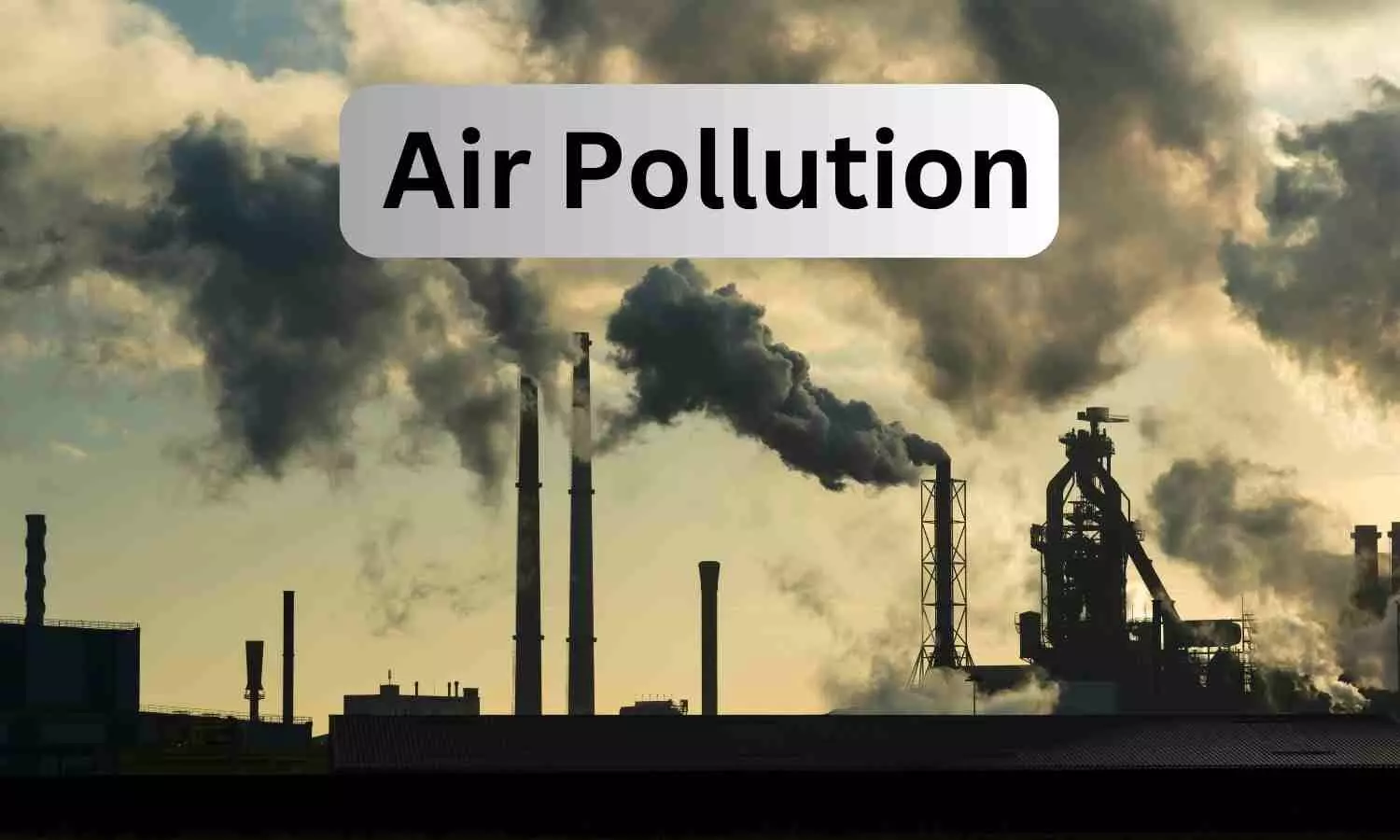
A recent study published in the Journal of the American Medical Association revealed that lowering air pollution levels could help delay the onset and reduce the severity of physical disability among aging adults. These findings add to growing evidence that air quality is not just a respiratory or cardiovascular issue, but a critical factor in healthy aging.This research analyzed data from nearly 30,000 Americans over age 50 who participated in the nationally representative Health and Retirement Study from 2000 to 2016. The participants were followed for an average of 8 years, to examine how exposure to air pollution influenced transitions between three states like no physical limitations, physical function limitations (like mobility challenges), and disability affecting activities of daily living (ADLs), including basic tasks like dressing or bathing.The study focused on long-term exposure of fine particulate matter (PM2.5), coarse particulate matter (PM10-2.5), nitrogen dioxide (NO2), and ozone (O3) at participants’ residential addresses. Using advanced statistical multistate models, this research evaluated how these pollutants affected the likelihood of moving from independence to disability.The results revealed that higher levels of PM2.5, PM10-2.5, and NO2 were associated with a greater risk of transitioning from having no physical limitations to experiencing functional impairments. For instance, a one–interquartile range increase in PM2.5 exposure was linked to a 6% higher risk of developing physical limitations. Moreover, that same increase was associated with a reduced likelihood of regaining healthy physical function once limitations had developed.Air pollution not only appears to push older adults toward disability but may also make it harder for them to recover. Higher O3 exposure was associated with lower risks of transitioning from no limitations to physical limitations or ADL disability. This study caution that this finding may reflect complex atmospheric chemistry or geographic patterns rather than a protective effect of ozone itself.The study population included 29,790 adults (mean age 63), 57% of whom were women. The cohort was racially and ethnically diverse, with 11% Hispanic participants, 18% non-Hispanic Black participants, and 68% non-Hispanic White participants. Overall, these findings suggest that improving air quality could play a meaningful role in slowing disability progression and supporting recovery among older adults. Source:Gao, J., Mendes de Leon, C. F., Szpiro, A. A., Weuve, J., Langa, K. M., Hirth, R. A., Bakulski, K. M., Lee, J., Zhang, B., D’Souza, J., Keller, K. P., Kaufman, J. D., Faul, J., & Adar, S. D. (2026). Air pollution and the progression of physical function limitations and disability in aging adults. JAMA Network Open, 9(2), e2558699. https://doi.org/10.1001/jamanetworkopen.2025.58699