
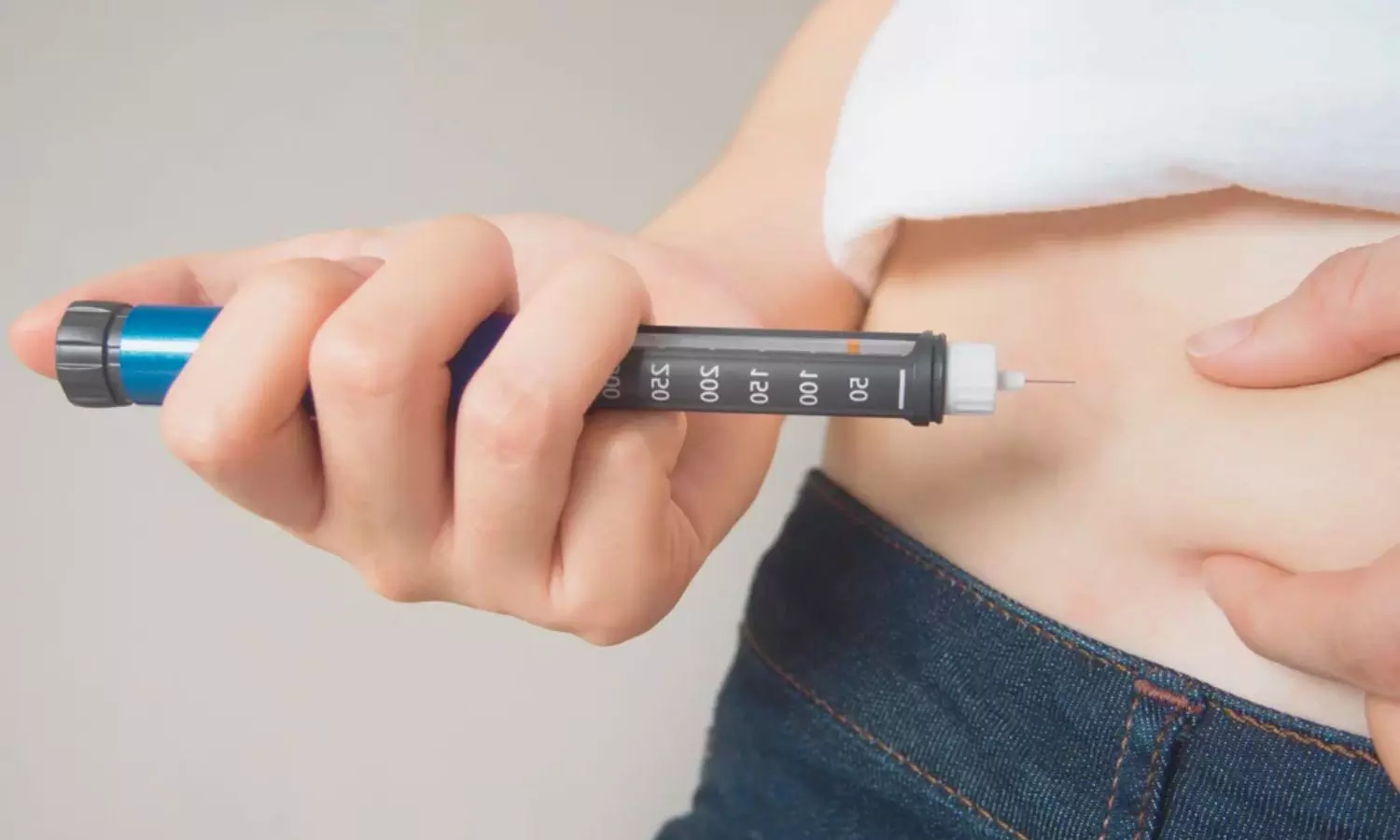
USA: Researchers have found that once-weekly subcutaneous tirzepatide administered for 72 weeks does not increase the risk of depression in adults with overweight or obesity who have no known major psychiatric disorders. The findings, published in the Obesity Journal, also indicate that tirzepatide is not linked to higher rates of suicidal ideation or behavior, highlighting its psychiatric safety in this population. Tirzepatide, a dual GIP and GLP-1 receptor agonist, has shown substantial weight loss benefits in adults with obesity, with or without type 2 diabetes. To address concerns about its psychiatric safety, Thomas A. Wadden and colleagues conducted a pooled post hoc analysis of three SURMOUNT trials over 72 weeks.The analysis included 4,056 adults (mean age 47.2 years; 63% women), with 2,806 receiving once-weekly tirzepatide and 1,250 receiving placebo, alongside diet and physical activity interventions. Tirzepatide doses ranged from 5 to 15 mg. Depression and suicidal risk were assessed using PHQ-9 and the Columbia-Suicide Severity Rating Scale throughout treatment and during a 4-week follow-up.The following findings were reported:Baseline mean PHQ-9 scores were low and similar between groups, at 2.7 in the tirzepatide group and 2.6 in the placebo group, indicating minimal depressive symptoms.By week 72, mean PHQ-9 scores decreased to 1.9 among participants receiving tirzepatide and to 2.4 in the placebo group.Participants treated with tirzepatide were less likely to shift to more severe categories of depressive symptoms compared with those receiving placebo (18.2% vs 24.3%; p < 0.001).A smaller proportion of tirzepatide-treated participants reached a PHQ-9 score of 15 or higher compared with placebo (1.2% vs 2.3%), a level typically warranting referral for mental health evaluation.Rates of suicidal ideation were low and identical in both groups, reported in 0.6% of participants.Nonfatal suicidal behavior occurred in 0.1% of participants receiving tirzepatide and was not reported in the placebo group.The proportion of participants experiencing at least one psychiatric adverse event was similar between the tirzepatide and placebo groups (6.8% vs 8.2%).Nervous system disorders were reported at comparable rates in the tirzepatide and placebo groups (15.8% vs 13.0%).The study authors emphasized the importance of continued monitoring of mental health in individuals with obesity, particularly those with a body mass index above 40 kg/m², due to the high baseline risk of depression and anxiety in this population. They noted that tirzepatide did not increase psychiatric risk and that its rates of suicidal ideation and behavior are similar to those observed with other incretin-based therapies.In conclusion, the post hoc analysis of the SURMOUNT trials supports the psychiatric safety of tirzepatide in adults with overweight or obesity who do not have major psychiatric disorders. While further studies are warranted in populations with significant mental health conditions, these findings provide reassurance regarding tirzepatide’s safety profile in terms of depression and suicidal risk.Reference:Wadden, T. A., Oquendo, M. A., Kushner, R. F., Cao, D., Karanikas, C. A., Kechter, A., & Murphy, M. A. Psychiatric Safety of Tirzepatide in People With Obesity and No Known Major Psychopathology: A Post Hoc Analysis of SURMOUNT. Obesity. https://doi.org/10.1002/oby.70122