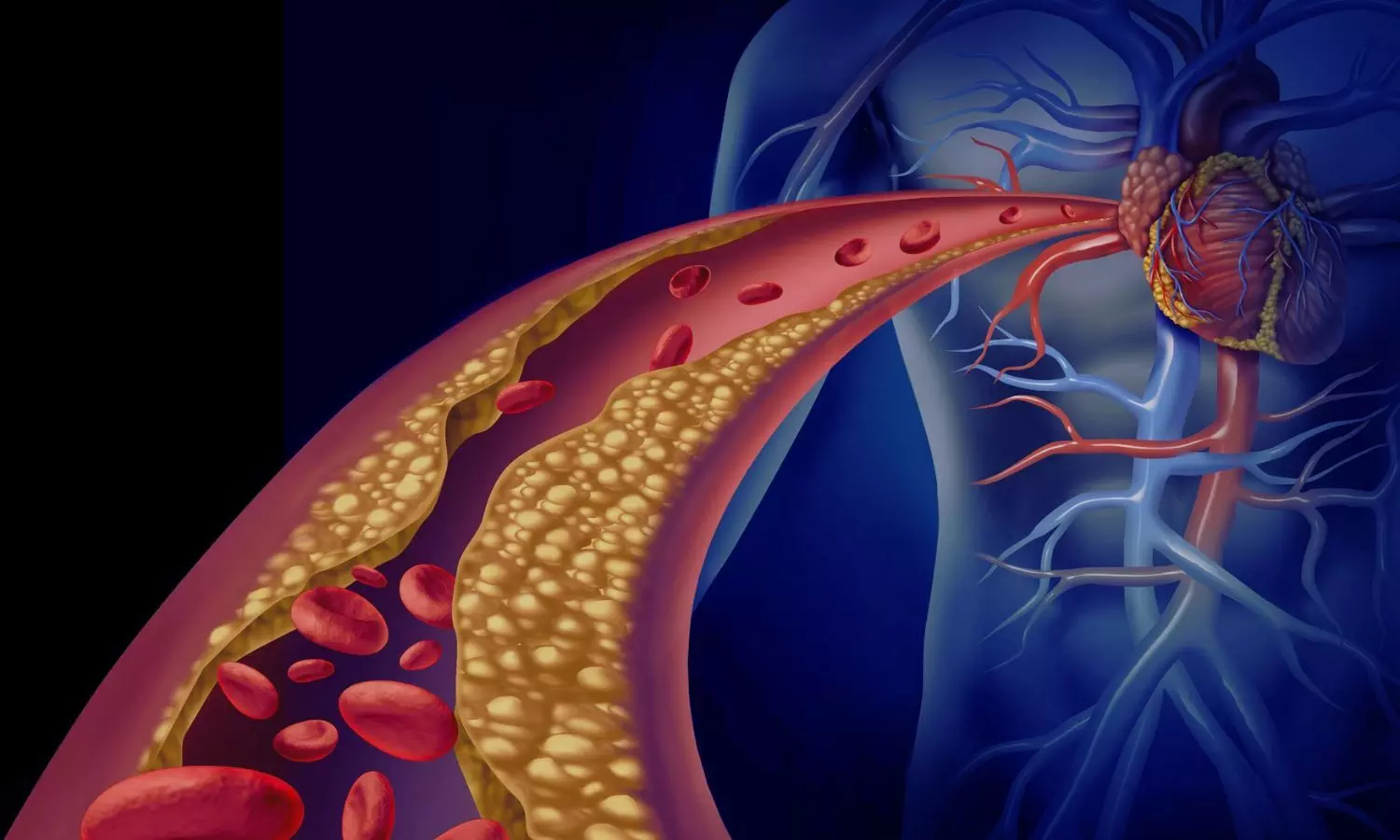
USA: Researchers have found in a randomized controlled trial that opportunistic genomic screening for familial hypercholesterolemia combined with telegenetic counseling did not lead to a statistically significant improvement in LDL-C levels or clinical management. However, results suggested a small to moderate benefit favoring immediate disclosure of results.The findings are from a randomized clinical trial published in JAMA Network Open by Jason L. Vassy of the VA Boston Healthcare System and colleagues, which assessed whether returning clinically confirmed genetic results for familial hypercholesterolemia (FH) improves lipid outcomes in a large health system. FH is a common inherited condition marked by lifelong elevated LDL cholesterol and a high risk of premature cardiovascular disease, yet it remains widely underdiagnosed and undertreated despite effective therapies.Conducted within the Veterans Health Administration, the trial used data from the Million Veteran Program, a national biobank linking genetic information with electronic health records. Adults suspected of carrying FH-associated variants based on research genotyping were enrolled. Overall, 112 participants from 28 US states were randomized between February 2020 and September 2022, with follow-up completed in October 2024.Participants received either immediate disclosure of genetic results with telegenetic counseling or delayed disclosure after six months. The primary outcome was change in LDL-C at six months, with secondary outcomes including treatment intensification and achievement of guideline-recommended LDL-C targets.The mean participant age was about 66 years, and most were men. Baseline LDL-C levels were moderately controlled, and over three-quarters were already on lipid-lowering therapy, indicating a population actively engaged in cardiovascular care. Key Findings:At six months, participants receiving immediate disclosure with telegenetic counseling had greater reductions in LDL-C levels than those with delayed disclosure.The between-group difference in LDL-C reduction was 10.5 mg/dL in favor of immediate disclosure, though it did not reach statistical significance.Exploratory Bayesian analysis indicated a high probability of benefit from immediate disclosure and counseling.Treatment intensification occurred more often in the immediate disclosure group, although the difference was not statistically significant.Similar proportions of participants in both groups achieved LDL-C target levels.More than 60% of participants in the immediate disclosure group who completed follow-up shared their genetic results with family members, suggesting potential benefits beyond the individual patient.The authors noted key limitations, including reduced enrollment due to the pandemic, limiting statistical power. Some participants did not receive the intervention because of follow-up loss or variant reclassification, and the use of genotyping arrays may have missed rare pathogenic variants. Women were underrepresented, and LDL-C reduction, while relevant, remains a surrogate rather than a direct cardiovascular outcome.Overall, the study provides randomized evidence on the feasibility and short-term impact of returning FH-associated genetic results in routine care. While the primary endpoint was not met, the findings suggest that opportunistic genomic screening coupled with telegenetic counseling may modestly influence lipid management.The authors emphasize the need for larger studies to confirm these results, refine implementation strategies, and determine whether genomic screening ultimately translates into fewer cardiovascular events.Reference:Vassy JL, Brunette CA, Yi T, et al. Opportunistic Genomic Screening for Familial Hypercholesterolemia to Improve Low-Density Lipoprotein Cholesterol: A Randomized Clinical Trial. JAMA Netw Open. 2026;9(1):e2549664. doi:10.1001/jamanetworkopen.2025.49664
Study Finds Limited Benefit of Opportunistic Genomic Screening for Familial Hypercholesterolemia
 By
health_news
By
health_news