
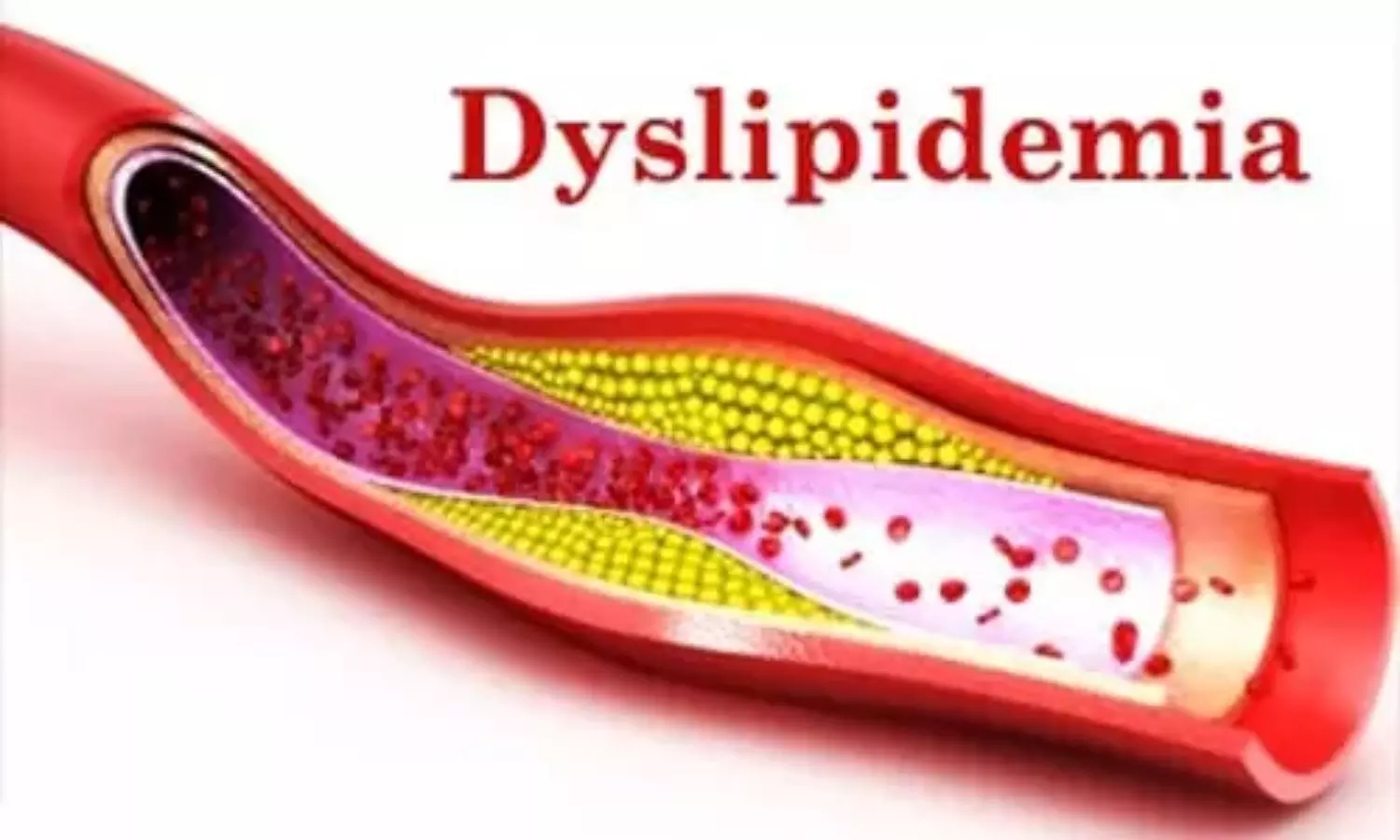
Turkey: The year 2025 marked a turning point in
dyslipidaemia research, with major advances reshaping how lipid-related cardiovascular risk is understood and managed. In a viewpoint published in
the European Heart Journal, Lale Tokgozoglu from the
Department of Cardiology, Hacettepe University Faculty of Medicine, Ankara,
Turkey, and colleagues highlighted the 10 most influential studies that defined
the field over the past year. Together, these papers reinforce the principle of
early, intensive lipid lowering while introducing novel therapeutic strategies
targeting LDL cholesterol, triglyceride-rich lipoproteins, and lipoprotein(a)
[Lp(a)].
Key advances and takeaways from 2025 include:
Updated
guidelines and lower LDL-C goals: The updated European Society of
Cardiology/European Atherosclerosis Society guidelines emphasized earlier
and more aggressive LDL-C reduction, supported by growing evidence that
“lower is better” across the cardiovascular risk spectrum.
PCSK9
inhibition beyond traditional boundaries: The VESALIUS-CV trial
provided definitive evidence that evolocumab reduces major adverse
cardiovascular events (MACE) in high-risk patients without prior
myocardial infarction or stroke. LDL-C was reduced by over 50%, with
significant reductions in myocardial infarction, revascularization,
cardiovascular death, and even all-cause mortality, challenging the rigid
distinction between primary and secondary prevention.
Oral
PCSK9 inhibition becomes reality: Enlicitide, the first oral
PCSK9 inhibitor, demonstrated robust LDL-C reductions of up to 60% in
patients with heterozygous familial hypercholesterolaemia. Its efficacy,
tolerability, and convenience may expand access to intensive lipid
lowering once outcome data become available.
New
insights into PCSK9 biology: Mechanistic studies showed that
LDL-bound PCSK9 is cleared more slowly than free PCSK9, with hepatic
heparan sulfate proteoglycans playing a role. These findings may help
explain variability in response to PCSK9-targeted therapies and influence
future drug development.
Gene-editing
therapy enters the lipid arena: First-in-human data with
CRISPR–Cas9 therapy targeting ANGPTL3 demonstrated sustained reductions in
LDL-C and triglycerides after a single infusion. While early and limited
in size, this study provided proof of concept for one-time genetic
therapies in dyslipidaemia.
Lifetime
lipid exposure matters: Analysis from the CARDIA cohort showed
that cumulative exposure to apoB, LDL particles, and triglyceride-rich
lipoproteins from young adulthood strongly predicts later atherosclerotic
cardiovascular disease. These findings underscore the importance of early
prevention, not just midlife intervention.
CETP
inhibition revisited: Obicetrapib, a selective CETP inhibitor,
achieved meaningful reductions in LDL-C, apoB, and Lp(a) on top of maximal
background therapy, without safety concerns. This revived interest in CETP
inhibition as an adjunctive strategy.
Reassuring
statin data in early pregnancy: Large registry data and an
updated meta-analysis showed no significant increase in major or cardiac
congenital malformations with inadvertent first-trimester statin exposure,
providing reassurance to women and clinicians while maintaining caution
against routine use during pregnancy.
Targeting
triglycerides and pancreatitis risk: Olezarsen, an antisense
oligonucleotide targeting apoC-III, produced substantial and sustained
triglyceride reductions in severe hypertriglyceridaemia and was associated
with fewer pancreatitis events, highlighting apoC-III as a key therapeutic
target.
Lp(a)
moves to the forefront: Multiple studies confirmed that elevated
Lp(a) confers continuous cardiovascular risk. High-intensity LDL-C
lowering appeared to mitigate this risk, and data from Sweden showed that
first-degree relatives of individuals with high Lp(a) levels face increased
MACE risk, supporting cascade screening.
In summary, the top dyslipidaemia papers of 2025
collectively reinforce a shift toward earlier, stronger, and more personalized
lipid management. With innovations ranging from oral PCSK9 inhibitors to
gene-editing therapies and growing recognition of lifetime lipid exposure and
inherited risk, the field is rapidly evolving toward more effective
cardiovascular prevention strategies.
Reference:
Tokgozoglu, L., Catapano, A., & Laufs, U. (2026). The
year in Cardiovascular Medicine 2025: The top 10 papers in dyslipidaemias.
European Heart Journal, 47(4), 401-404.
https://doi.org/10.1093/eurheartj/ehaf1045