
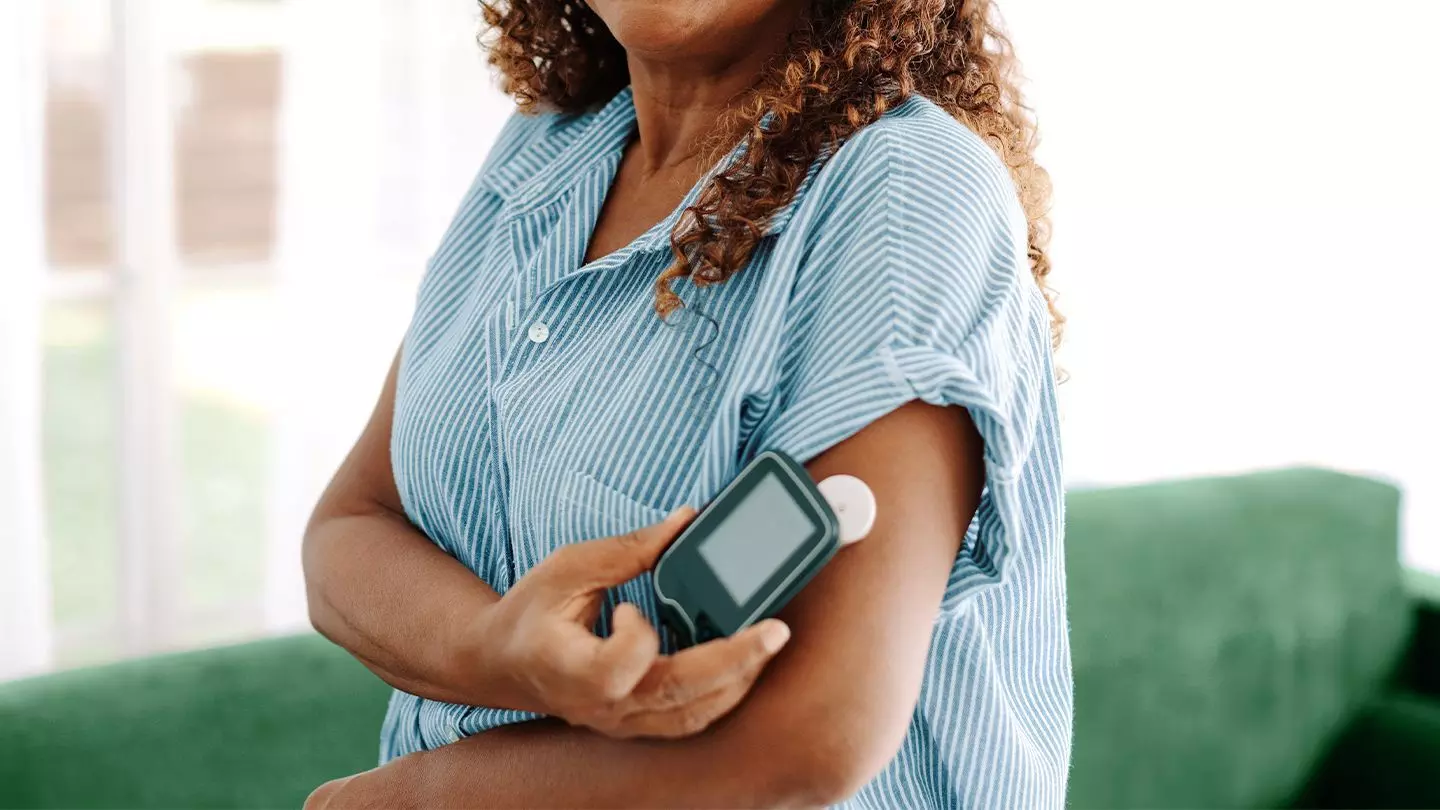
Researchers have found in a new study that continuous glucose monitoring (CGM) in the ICU appears to provide reliable glucose readings in selected critically ill patient populations. However, its accuracy may be compromised in patients receiving high-dose vasopressors. Further research is needed to clarify the role of CGM in improving patient care and outcomes in the intensive care setting.Continuous glucose monitoring (CGM) devices are routinely used in the outpatient management of diabetes. They are not yet approved for use in intensive care units (ICUs). The main objective of this study was to determine the accuracy of Continuous glucose monitoring glucose determinations made in an ICU by comparing them with standard glucose measurements obtained during routine care. Secondary objectives were to determine the frequency of device malfunctions or adverse events and to assess acceptance of Continuous glucose monitoring use by caregivers. Dexcom™ G7 Continuous glucose monitoring sensors were placed on non-randomized, consented ICU patients with known hyperglycemia. Continuous glucose monitoring glucose concentrations were recorded in a Dexcom Clarity™ database and compared with near-simultaneous (±5 min) measurements obtained by laboratory or point-of-care measurements recorded in an electronic medical record. Determinations of accuracy were made using a Clarke Error Grid plot and by calculating mean absolute relative difference (MARD). Device failure and adverse event data were recorded in the electronic record. Caregiver acceptance was assessed by interview.Results: During a 9-month period, 16 subjects were enrolled after obtaining informed consent. The median duration of Continuous glucose monitoring use on subjects was 5.5 (range 1–20) days. A total of 941 near-simultaneous Continuous glucose monitoring and routine care data were collected. Clarke Error Grid comparison of Continuous glucose monitoring and routine care data showed 99.7% of readings in regions A or B and 0.3% in other regions. The MARD of all readings was 12.25%. There were no adverse events attributable to the Continuous glucose monitoring recorded. Qualitative analysis of nursing responses revealed no concerns regarding the addition of Continuous glucose monitoring to the routine workflow.Continuous glucose monitoring glucose readings in the ICU may be reliable to use in certain critically ill patient populations. Continuous glucose monitoring may not be reliable in patients requiring high-dose vasopressors. The use of Continuous glucose monitoring to enhance patient care in ICUs merits additional research.Reference:Cucchi E, Ali A, Guilarte-Walker Y, Barton B, Malkani S, Mordes J. Accuracy of a Continuous Glucose Monitor in the Intensive Care Unit. Diabetes Technology & Therapeutics. 2026;0(0). doi:10.1177/15209156261423933Keywords: Continuous, Glucose, Monitoring, provide, reliabile, blood sugar level, Critical Patients, ICU, Study, Cucchi E, Ali A, Guilarte-Walker Y, Barton B, Malkani S, Mordes J