
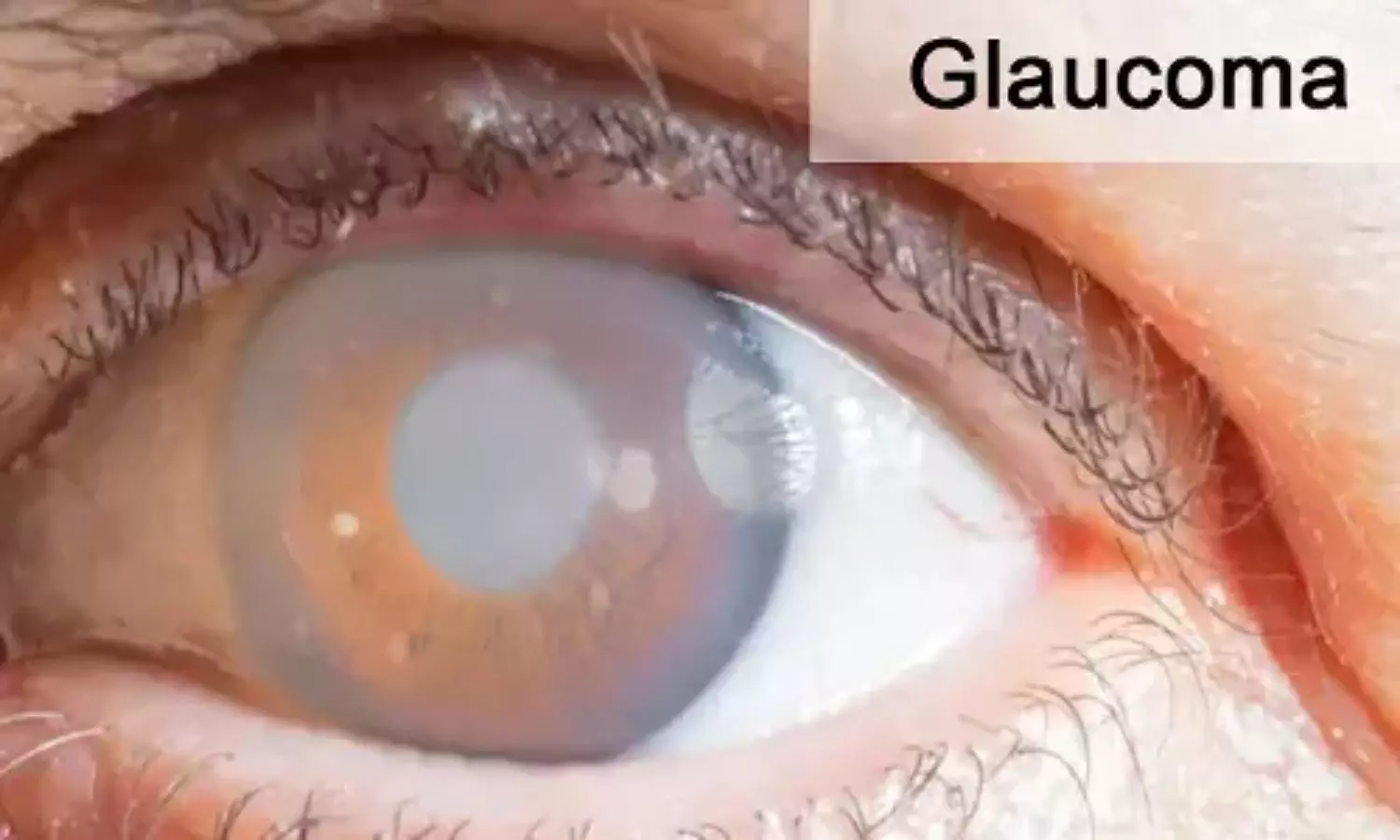

Japan: Cross-sectional and prospective studies suggest that dietary nitrate, particularly from leafy green vegetables, may have a protective effect against primary open-angle glaucoma. Although current evidence remains limited, consistent associations indicate that addressing lifestyle and dietary factors—especially increasing intake of nitrate-rich greens—could help preserve vision and lower glaucoma risk.
Glaucoma is a chronic neurodegenerative eye disease and one of the leading causes of irreversible blindness globally, with projections estimating that more than 110 million people may be affected by 2040. While reducing intraocular pressure (IOP) remains the cornerstone of glaucoma management, it is increasingly clear that the disease cannot be explained by IOP alone.
Researchers highlight that glaucoma develops through a complex interaction of genetic susceptibility, local ocular changes, and systemic influences such as oxidative stress, vascular dysfunction, mitochondrial impairment, and neuroinflammation.
In a comprehensive review published in Nutrients, Akiko Hanyuda from the Department of Ophthalmology, Keio University School of Medicine, Tokyo, and colleagues evaluated current evidence linking diet, physical activity, sleep, and other lifestyle factors with glaucoma risk and progression. The authors note that lifestyle-related exposures may influence many of the biological pathways implicated in retinal ganglion cell damage, offering potential avenues for prevention and risk modification.
The key findings were as follows:
- Higher dietary nitrate intake, mainly from leafy green vegetables, is most consistently linked with a reduced risk of primary open-angle glaucoma.
- The protective association is thought to be mediated through nitric oxide, which improves endothelial function and helps stabilize ocular blood flow.
- Improved vascular function may support adequate ocular perfusion pressure, a key factor given the contribution of impaired blood supply to glaucomatous optic nerve damage.
- Flavonoids, including anthocyanins and flavanols, have strong biological rationale for supporting ocular and neural health in glaucoma.
- Carotenoids such as lutein and zeaxanthin are also considered potentially beneficial for eye health, though robust epidemiological evidence is lacking.
- B vitamins show plausible neuroprotective and vascular benefits, but their protective role in glaucoma has not been firmly established at the population level.
- Overall evidence for these nutrients is limited by a shortage of long-term, large-scale prospective studies.
- Findings on polyunsaturated fatty acids remain inconsistent, highlighting the need for future studies to differentiate between plant-based and animal-based sources and to assess dietary substitution effects.
Beyond diet, regular aerobic exercise and good sleep are linked to better metabolic health and ocular perfusion, which may slow retinal ganglion cell loss. In contrast, smoking and alcohol use are associated with poorer diet quality and increased oxidative stress, potentially worsening glaucoma progression.
The authors note that most evidence comes from cross-sectional studies with self-reported data and limited structural outcomes, making firm recommendations difficult. They call for large, multi-ethnic longitudinal studies and randomized trials to clarify causality and guide lifestyle interventions.
Despite these gaps, the review suggests that early, evidence-based lifestyle counseling could support precision prevention, helping preserve vision, improve quality of life, and reduce the global burden of glaucoma.
Reference:
Hanyuda, A., Tsuda, S., Himori, N., Sato, K., Takahashi, N., & Nakazawa, T. (2024). Diet, Exercise, and Lifestyle in Glaucoma: Current Evidence and Future Perspectives. Nutrients, 17(21), 3369. https://doi.org/10.3390/nu17213369