
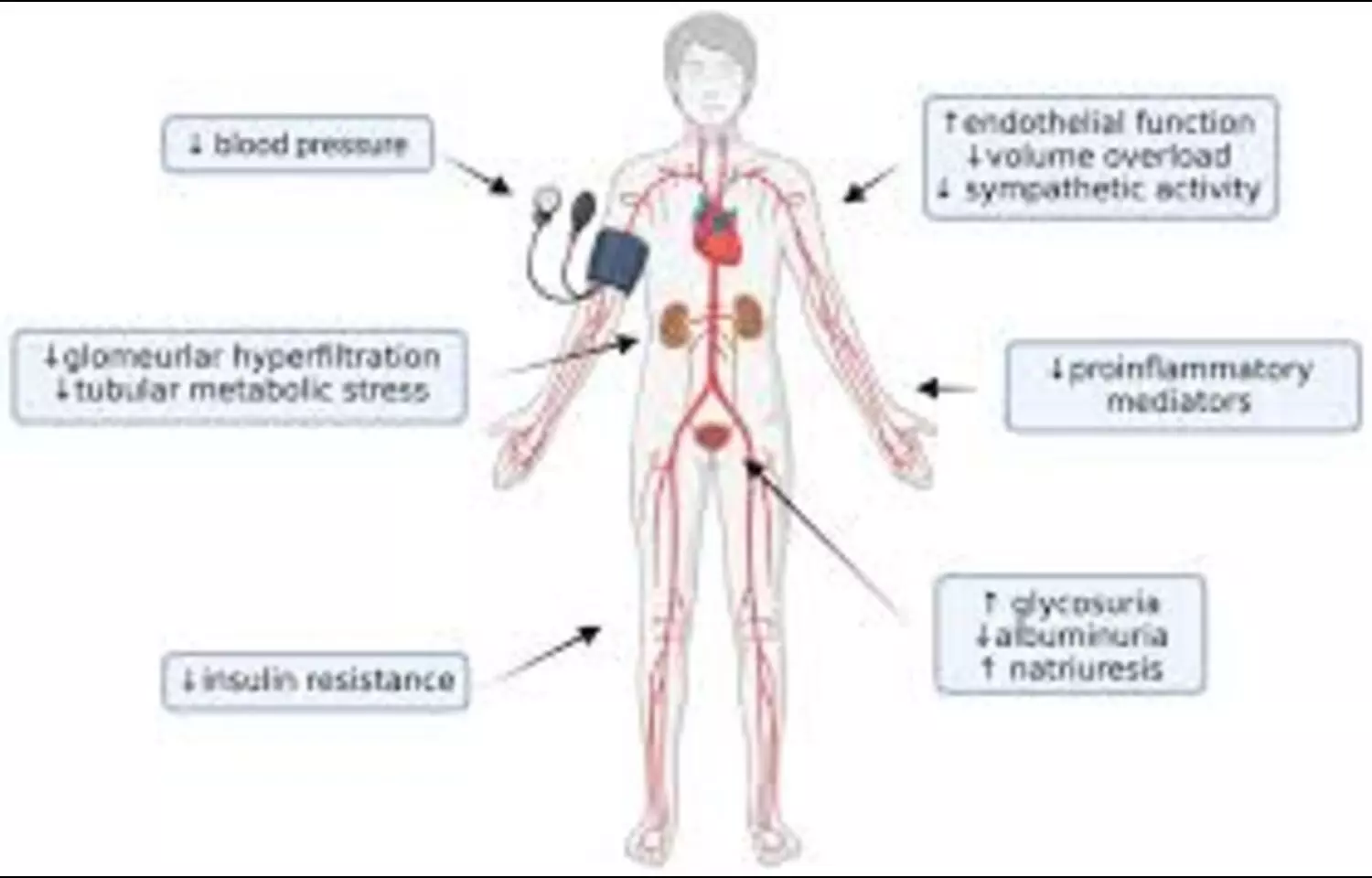
A major pooled analysis published in JAMA has shown that sodium-glucose cotransporter 2 (SGLT2) inhibitors deliver consistent kidney and cardiovascular benefits across different patient groups—irrespective of diabetes status or baseline urinary albumin-to-creatinine ratio (UACR). The findings demonstrate that SGLT2 inhibitors not only protect against kidney function decline but also reduce hospitalizations and mortality, broadening their relevance beyond patients with type 2 diabetes.The study evaluated outcomes from multiple large randomized clinical trials, assessing patients with and without diabetes who were prescribed SGLT2 inhibitors for chronic kidney disease management. Results revealed that these agents significantly improved renal outcomes and cardiovascular health even in individuals with normal or mildly elevated UACR levels. This consistency suggests that the drugs act through mechanisms extending beyond glucose control—possibly through hemodynamic stabilization, reduced intraglomerular pressure, and anti-inflammatory effects.Researchers emphasized the clinical importance of expanding SGLT2 inhibitor therapy to a wider patient population, including those without diabetes but at risk for kidney disease. The findings highlight the evolving understanding of SGLT2 inhibitors as comprehensive organ-protective medications, not merely glucose-lowering agents. The study’s authors advocate incorporating these drugs into standard care protocols for chronic kidney disease to enhance long-term survival and quality of life, underscoring their role as a cornerstone therapy in nephrology.Keywords: SGLT2 inhibitors, chronic kidney disease, urinary albumin-to-creatinine ratio, diabetes, renal protection, cardiovascular outcomes, JAMA.Reference: Herrington, W. G., Staplin, N., Mahaffey, K. W., Chertow, G. M., Heerspink, H. J. L., Wheeler, D. C., Neal, B., Wanner, C., Perkovic, V., & Landray, M. J. (2025). Kidney, cardiovascular, and mortality outcomes with sodium-glucose cotransporter 2 inhibitors by diabetes status and baseline albuminuria: A pooled analysis of large trials. JAMA, 334(18), 1927–1939. https://doi.org/10.1001/jama.2025.41161