
Kangra: The Teachers
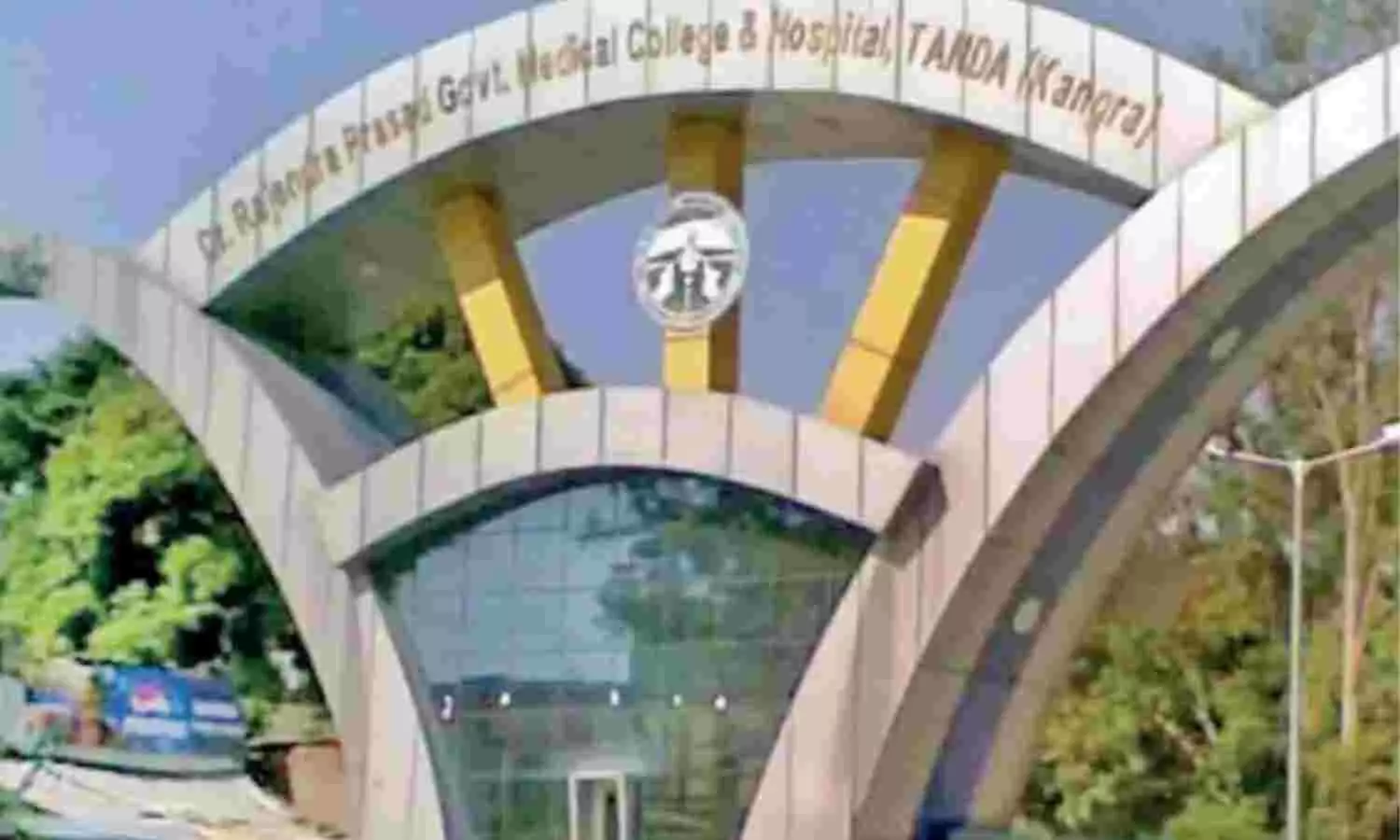
Association of Dr Rajendra Prasad Government Medical College, Tanda, in Kangra
district, has voiced strong dissatisfaction over the appointment of a specialist with 12 years of
professional experience as a “Job Trainee Medical Officer” at a
monthly remuneration of Rs. 33,650.
The association
criticised the existing pay structure and service conditions for newly
recruited Medical Officers and teaching faculty, including specialists and
super-specialists, in Himachal Pradesh, describing the policy as unreasonable,
discouraging, and harmful to the state’s public health system.Also Read:Kerala Government Doctors call for Indefinite Strike from February 2 over pending demandsIn a press statement
issued on Monday, association president Dr Vivek Sood said that the issue
surfaced following the recent appointment of a super-specialist in the
Neurosurgery Department at the Atal Institute of Medical Super-Specialities at
Chamiyana in Shimla, as a “Job Trainee Medical Officer” on a monthly salary of
Rs 33,650, despite holding an MCh in Neurosurgery.
Dr Sood stated that the
doctor’s net monthly earnings had been fixed at Rs. 33,650, which is
substantially lower than the approximately Rs. 1.30 lakh per month he received
as a stipend during his MCh training, reports The Daily. The association described the sharp
difference in pay as irrational and inconsistent with fundamental norms of
professional growth and career advancement. “A salary of Rs 33,650 after a
decade or more of rigorous training, round-the-clock duties and high
medico-legal risk is nothing short of demoralising,” the association said,
adding that in a private settings a super-specialist with qualifications and
experience like him could secure a job worth lakhs of rupees per month easily.
According to The Tribune, the association pointed
out that referring to fully qualified super-specialists as trainee medical
officers is professionally inappropriate. This act also raises a question about
their competence, dignity, and experience. The doctors’ association has also
stated that to achieve the specialization, one needs to undergo nearly 12 years
of intensive medical education and training, including five-and-a-half years of
MBBS, three years of MS (Surgery), and three years of MCh super-specialisation.
“Labelling a fully trained super-specialist as a job trainee is not only
insulting but also reflects a deeply flawed administrative approach towards highly
skilled medical professionals,” the association stated in a press release.Also Read:TN Govt doctors to launch Non-Cooperation protest from January 30The doctor’s body further
added that human resource is an essential part of healthcare service, and
devaluing them is undermining a necessary requisite of quality healthcare. “Fair
remuneration, professional dignity, and transparent service conditions are
essential for building a sustainable and effective health system,” it said. Dr Sood cautioned that
persisting with such backward employment terms could have far-reaching
repercussions, compelling talented young doctors to seek private sector jobs or
opportunities outside the state and worsening the scarcity of teaching staff in
government medical colleges. He added that this trend would eventually erode
standards of medical training as well as healthcare services in Himachal Pradesh.