
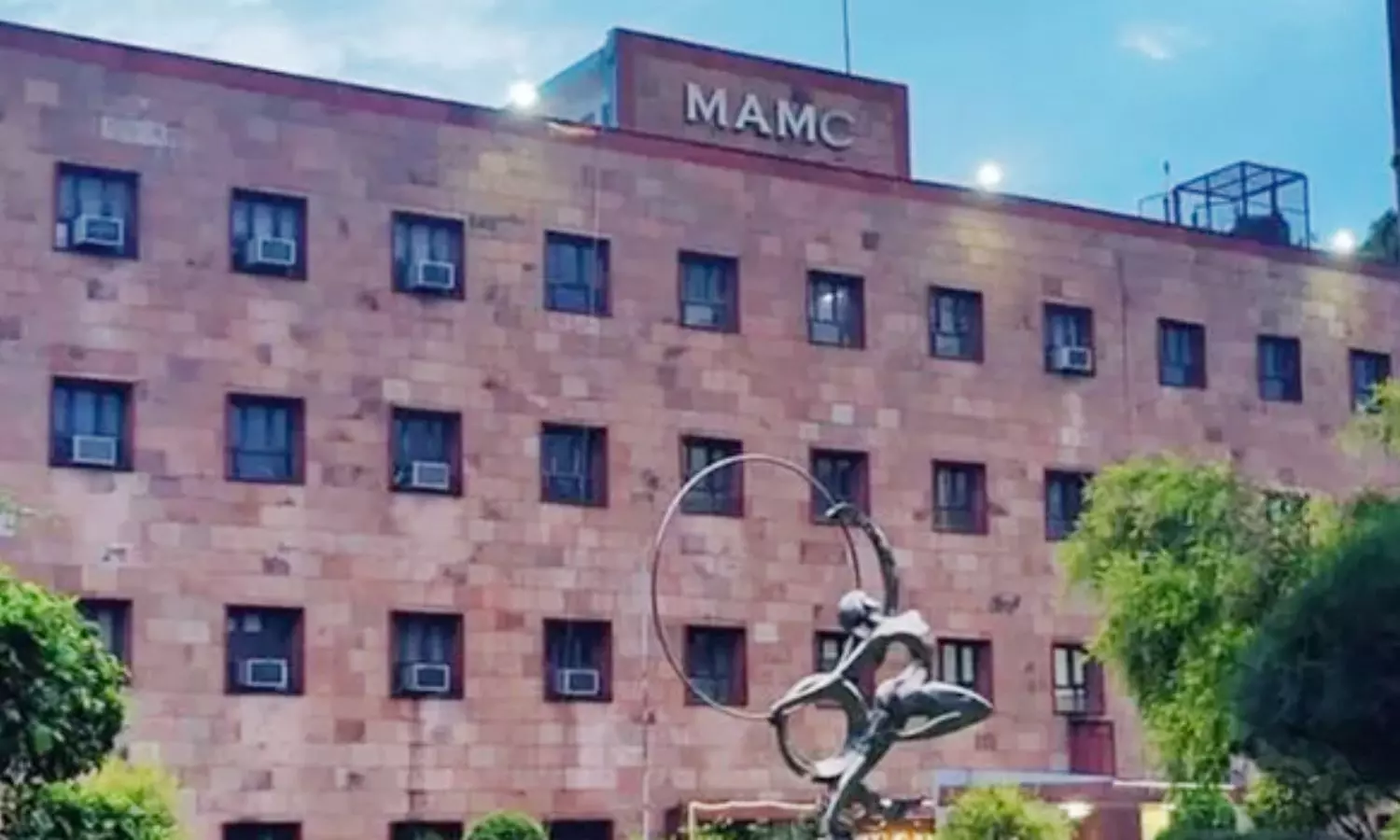
New Delhi: To strengthen super-speciality healthcare services in the national capital, the University of Delhi has approved the establishment of the Department of Medical Genetics at Maulana Azad Medical College (MAMC) and the associated Lok Nayak Hospital. The department was inaugurated by Delhi CM Rekha Gupta on Friday. The Medical Genetics Department will focus on the diagnosis and management of genetic disorders across the entire human life cycle, ranging from fetal and neonatal stages to adult and geriatric care, with special emphasis on pediatric and rare diseases.Medical Genetics is among the fastest-growing fields in modern medicine.Also Read:Maulana Azad Medical College fined for violating waste management rulesOfficials said the department will facilitate advanced diagnostics, early risk prediction and targeted treatment through emerging technologies such as gene therapy, antisense oligonucleotide therapy and select in-utero therapeutic interventions, making globally evolving treatments accessible to patients within the government healthcare framework, news agency UNI reported.The department is expected to work in close coordination with Fetal Medicine, Pediatrics, Internal Medicine and Oncology. This multidisciplinary integration is likely to significantly advance the field of cancer genetics, where genetic profiling is increasingly shaping prognosis, personalised treatment and precision oncology, thereby improving long-term clinical outcomes.The approval of two Medical Genetics super-specialty seats is also set to enhance the academic profile of MAMC and Lok Nayak Hospital.With this, the institution becomes one of the limited group of government medical institutions in the country offering structured training and tertiary to quaternary -level genetics services, contributing to the development of a skilled pool of genetic specialists.Reacting to the development, Delhi Health Minister Pankaj Kumar Singh said the move represents a significant step towards precision and preventive medicine in the public sector.“With advanced diagnostics, gene-based therapies and specialised training, we are laying the foundation for healthcare that can intervene early and change lives. This reflects our commitment to providing world-class, technology-driven healthcare through government institutions,” he said, reports UNI.Also Read:Delhi Govt to recruit 1,593 senior resident doctors